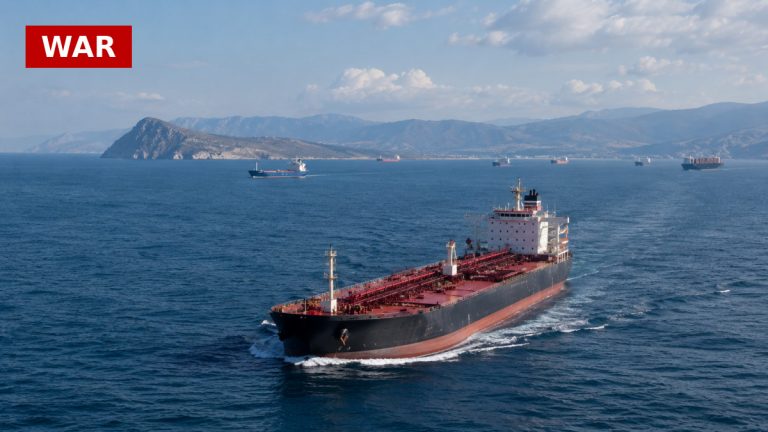
Norway’s recent seizure of the Russian vessel Professor Molchanov marks a significant legal action in the ongoing conflict over compensation related to Crimea. This move, initiated by Ukrainian energy firm Naftogaz, aims to enforce a $4.22 billion arbitration award against Russia, which has refused to comply. The implications of this seizure extend beyond the Arctic waters, potentially influencing international maritime law and the dynamics of Russia’s relations with Western nations.
The Professor Molchanov was detained in Svalbard, a demilitarized zone where multiple countries, including Russia, maintain a presence. This situation highlights the complexities of international treaties and the enforcement of legal rulings against a state that has shown a disregard for such norms. As Norway navigates its role as a mediator and enforcer, the potential for increased tensions in the region grows.
Moreover, this incident could set a precedent for future claims against Russia and other nations that may seek to evade international arbitration. The legal ramifications could lead to further seizures of assets, impacting Russian interests globally and potentially affecting international shipping routes.
As the situation develops, the response from Russia, including potential legal challenges, will be crucial. This case not only underscores the ongoing conflict between Ukraine and Russia but also reflects broader issues of accountability and the rule of law in international relations.
Source: DW News