The recent escalation of US military strikes in Iran raises significant concerns about the potential for a prolonged conflict. President Trump’s strategy, likened to ‘mowing the grass’, aims to prevent Iran from rebuilding its military capabilities. However, this approach may inadvertently lead to a cycle of ongoing attacks and retaliations, creating a situation where conflict becomes the norm rather than an exception.
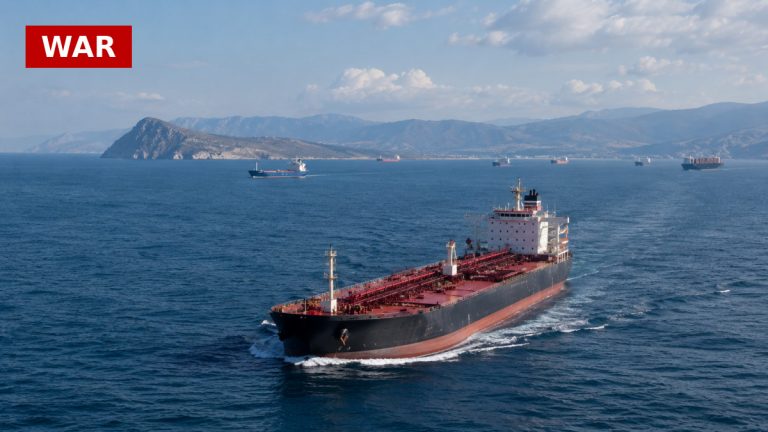
As the US targets Iranian military assets, Tehran is likely to respond with its own strikes, perpetuating a cycle of violence. This dynamic not only threatens regional stability but also poses risks to global energy security, particularly in the strategically vital Strait of Hormuz. The potential for increased shipping disruptions could have far-reaching economic implications, affecting oil prices and international trade.
Moreover, the strategy’s limitations become evident as Iran continues to develop its military technology despite US efforts. The inability to fully eliminate Iran’s capabilities suggests that the US may find itself in a continuous loop of military engagement, which could be perceived as a ‘forever war’. This raises questions about the effectiveness of such a strategy in achieving long-term peace and security.
Ultimately, the choice between allowing Iran to rebuild its military strength or continuing military strikes presents a dilemma for the US. Each attack may justify the next, leading to an enduring conflict that could escalate beyond control, highlighting the precarious balance of power in the region and the potential for unintended consequences.
Source: DW News