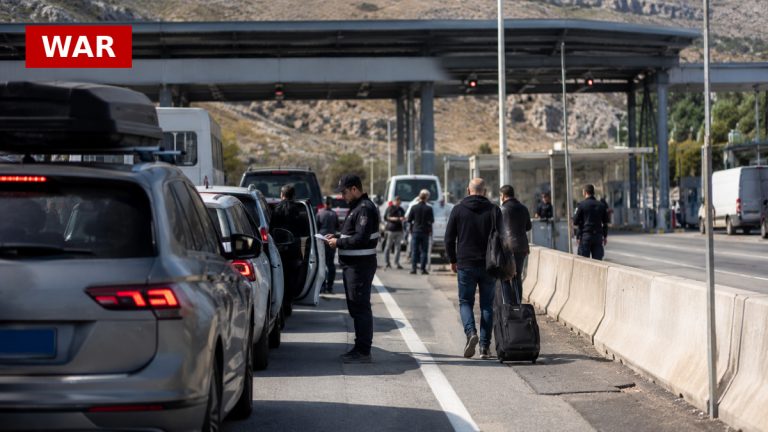
Israel’s recent release of Lebanese prisoner Malek Ghazi marks a pivotal moment in the complex dynamics between Israel and Lebanon. This handover, the first since the latest conflict with Hezbollah began, is part of a broader negotiation involving the search for missing Lebanese Jewish leaders from the 1980s. While this gesture may seem minor, it highlights the fragile state of peace talks that have stalled despite previous agreements.
The release of Ghazi and the anticipated release of four more prisoners signals a potential thaw in relations, albeit a cautious one. The involvement of the US in mediating these discussions underscores the international stakes at play, as both nations navigate their historical grievances and current tensions. However, the ongoing detentions of Lebanese citizens by Israeli forces indicate that underlying issues remain unresolved.
Lebanese Prime Minister Nawaf Salam’s commitment to securing the release of all prisoners and the fate of the missing reflects a deep-seated desire for closure and justice within Lebanon. This situation illustrates the delicate balance of power and the ongoing influence of Hezbollah, which remains outside the current negotiations.
As Lebanon assists in locating the bodies of the missing leaders, the implications of these negotiations extend beyond mere prisoner exchanges. They could reshape the future of Israeli-Lebanese relations, impacting regional stability and the broader geopolitical landscape in the Middle East.
Source: DW News