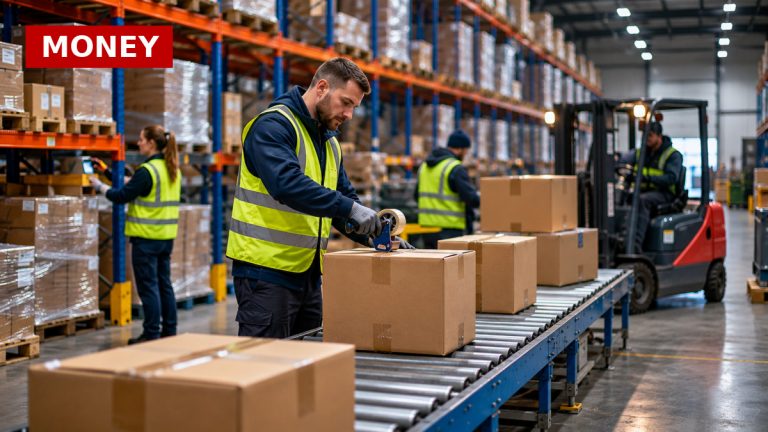
Germany’s economy is showing signs of recovery, with a reported 0.3% growth in the second quarter of 2026, marking its strongest performance since 2022. This uptick comes despite ongoing structural issues and negative headlines, such as Volkswagen’s downsizing and disruptions from low water levels affecting trade. Analysts suggest that the closure of the Strait of Hormuz has inadvertently benefited German manufacturers, allowing them to capture market share from Asian competitors.
The Ifo Institute’s business climate index indicates a renewed optimism among corporate leaders, with forecasts predicting a GDP growth of 1.3% or more for the year. This positive sentiment is partly attributed to government stimulus measures, including a €500 billion infrastructure investment and increased defense spending. However, experts caution that the recovery is heavily reliant on export demand, with domestic consumption remaining stagnant.
Despite the encouraging figures, significant challenges persist, particularly from Chinese competition and the long-term decline in Germany’s automotive industry. Analysts warn against complacency, emphasizing that while the economy appears to be on a recovery path, the underlying vulnerabilities could hinder sustained growth.
As Germany navigates these complexities, the recent positive indicators suggest a potential turning point. However, the focus must remain on addressing the structural issues that have plagued the economy for years, ensuring that this recovery is not merely a temporary blip but a foundation for future stability.
Source: DW News