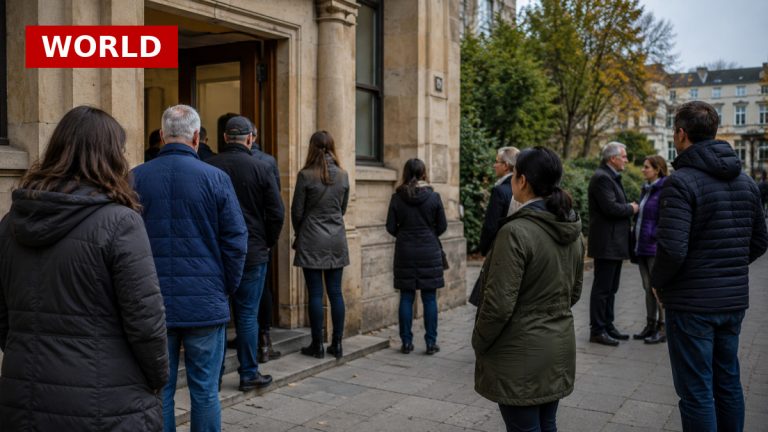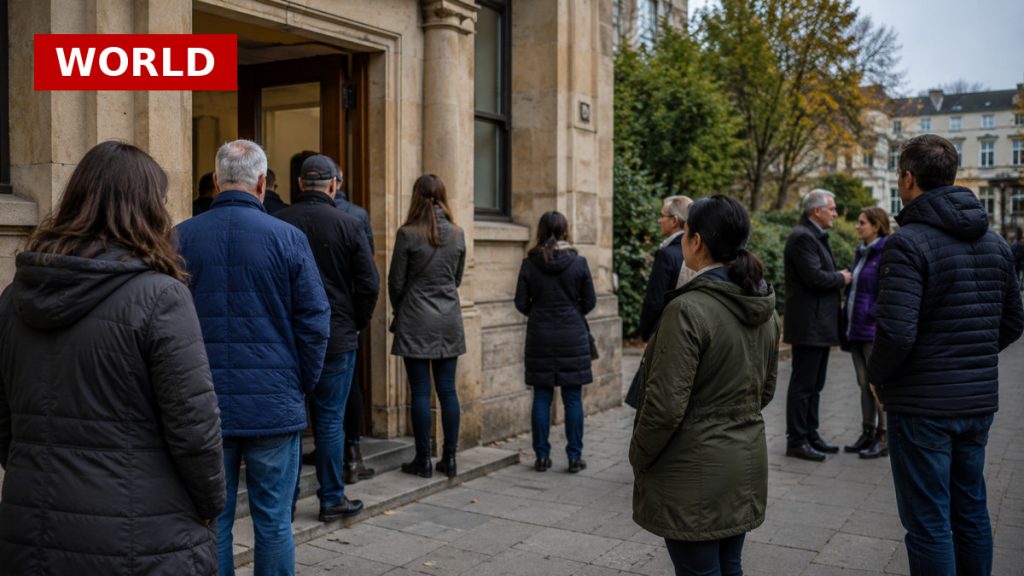
A deadly explosion at a military base in Viacha, Bolivia, has resulted in at least 10 fatalities and 59 injuries, with many victims being civilians. The blast occurred in an area designated for storing fireworks, raising urgent questions about safety protocols in military facilities. As investigations into the cause continue, local authorities are grappling with the immediate aftermath, including reports of missing persons and extensive damage to nearby homes.
The incident has highlighted vulnerabilities in the management of hazardous materials, particularly in military contexts where civilian safety is paramount. With 52 of the injured being civilians, the explosion underscores the potential risks posed by military operations in populated areas. The Defence Minister has urged caution, warning that residual heat at the site could lead to further explosions, prompting evacuations and safety measures.
As emergency responders work to assist the injured and assess the damage, the community is left to reckon with the implications of such a tragic event. The psychological impact on residents, coupled with the physical destruction, could have long-lasting effects on the local population. This incident serves as a stark reminder of the need for stringent safety regulations in handling explosive materials, especially in military settings.
Looking ahead, this explosion may prompt a reevaluation of safety protocols not only in Bolivia but also in other nations with similar military practices. The potential for policy changes could reshape how military bases operate, particularly regarding the storage and management of pyrotechnic materials, ensuring that civilian safety is prioritized in future operations.
Source: DW News