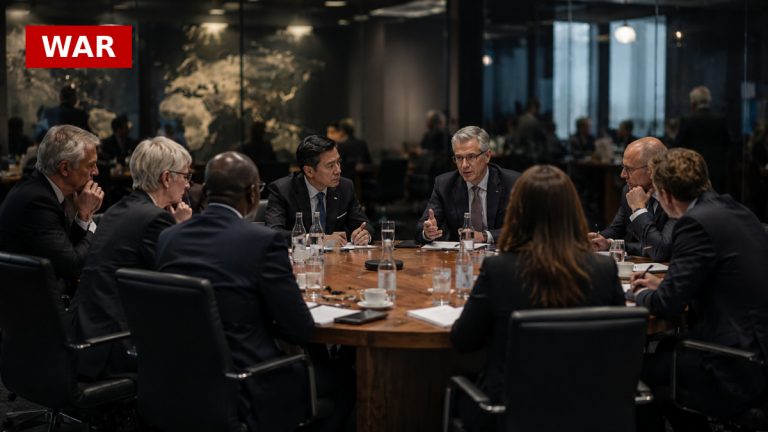
The planned withdrawal of US troops from Europe, announced by NATO’s top commander, is set to unfold over several years. This decision follows President Trump’s directive to reduce the US military presence in Germany by 5,000 troops. While the withdrawal is intended to be coordinated with European allies, it raises questions about the future of NATO’s collective security, particularly for the UK, which relies on US support for its own defence strategies.
As the US reduces its footprint, European nations are expected to bolster their military capabilities. This shift could lead to a more self-reliant European defence posture, which may alter the dynamics of UK military commitments and spending. The UK has historically depended on US military strength as a cornerstone of its security policy, and changes in this relationship could have significant implications for British defence planning.
Moreover, the withdrawal highlights a growing trend of European nations increasing their military budgets, aligning with Trump’s calls for NATO members to spend more on defence. This could lead to a more robust European military presence, potentially reshaping the security landscape in Europe and affecting the UK’s strategic calculations.
In the long term, the gradual US troop withdrawal may signal a shift in transatlantic relations, prompting the UK to reassess its defence strategies and alliances. As NATO adapts to these changes, the UK must remain vigilant about its own military readiness and the implications for its role within the alliance.
Source: DW News