Nepal observed a national day of mourning as the death toll from devastating floods reached over 1,300, with thousands still unaccounted for. This tragedy has not only claimed lives but also disrupted countless families, leaving many grappling with uncertainty and loss. The mourning period, which lasts 13 days in Hindu tradition, has seen families engage in rituals to honour their deceased, while also expressing frustration over the slow pace of rescue operations.
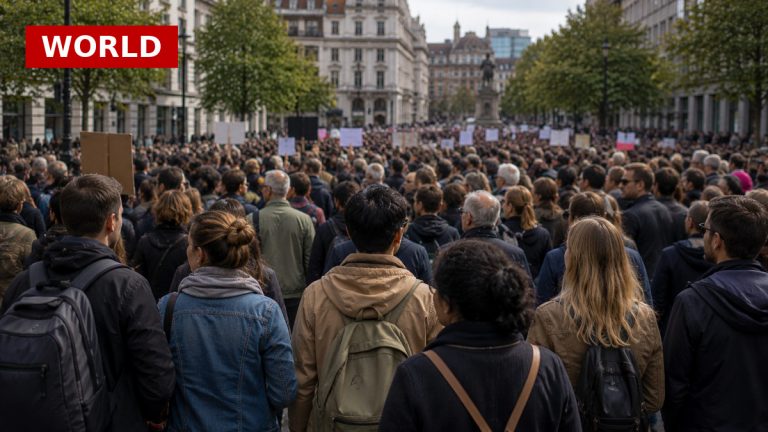
Protests have erupted in Kathmandu, where relatives of missing workers from hydropower projects demand more urgent action from the government. Many of these workers were swept away or trapped during the floods, and families are calling for enhanced rescue efforts, including the deployment of larger equipment. The emotional toll is palpable, as families hold vigils and symbolic funerals, seeking closure even without the bodies of their loved ones.
International rescue teams from countries like India and the US have joined the search, but concerns remain about the adequacy of the response. The situation underscores vulnerabilities in Nepal’s disaster preparedness and response systems, particularly in managing the aftermath of natural disasters.
As the search continues, the impact of this disaster will likely resonate for years, affecting not just the immediate families but also the broader community and economy. The government’s handling of the crisis may influence public trust and future disaster management policies, highlighting the need for improved infrastructure and emergency response strategies.
Source: PBS News