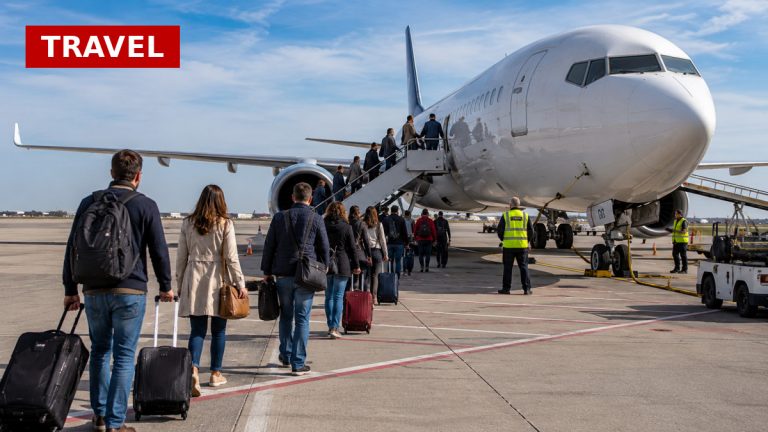
The recent air traffic control failure in the UK, which led to over 2,000 flight cancellations, has raised significant concerns about the resilience of the National Air Traffic Services (NATS). Transport Secretary Heidi Alexander stated that the outage was avoidable, prompting an independent investigation into the technical glitch that disrupted air travel for thousands of passengers. This incident highlights vulnerabilities in the air traffic system that could have broader implications for travel reliability and safety.
Passengers are facing not only immediate disruptions but also potential long-term changes in how airlines manage cancellations and delays. The Civil Aviation Authority has indicated that compensation for affected passengers is unlikely, as the incident may be classified as an ‘extraordinary circumstance.’ This raises questions about consumer rights and accountability within the aviation sector, particularly as airlines bear the financial burden of such failures.
Moreover, the repeated nature of NATS’ technical issues suggests systemic problems that could undermine public confidence in air travel. With the government owning a significant stake in NATS, there are calls for greater scrutiny and reform to ensure that such failures do not recur. The upcoming reviews by both NATS and the Civil Aviation Authority will be crucial in determining the future of air traffic management in the UK.
As the aviation industry recovers, passengers may need to adjust their expectations regarding flight reliability and compensation. This incident serves as a reminder of the complexities involved in air travel and the importance of robust systems to prevent similar occurrences in the future.
Source: BBC News