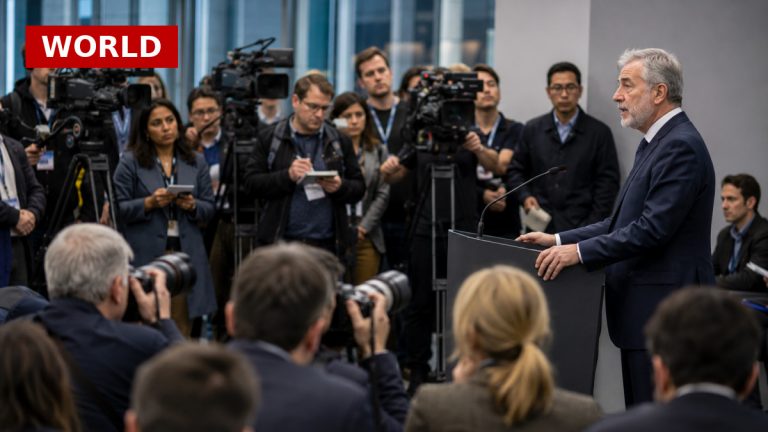
As the US marked the 25th anniversary of the 9/11 attacks, the event highlighted deep political divides. Former President Trump, who chose to commemorate the day at the Pentagon, linked the attacks to ongoing military actions against Iran, framing it as a fight for freedom. His remarks underscored a narrative that continues to shape US foreign policy and military strategy, suggesting that the legacy of 9/11 is still influencing current conflicts.
In contrast, New York City Mayor Zohran Mamdani, the first Muslim mayor, faced backlash for attending the memorial service. His presence sparked controversy, reflecting ongoing tensions around identity and representation in the aftermath of the attacks. Mamdani’s call for unity and remembrance through good deeds highlights a shift towards inclusivity, challenging the more divisive rhetoric often associated with 9/11 commemorations.
The varying approaches to remembrance also reveal how political leaders are using the anniversary to further their agendas. Trump’s focus on military vigilance and threats from Iran resonates with a segment of the population that views security through a lens of aggression. Meanwhile, Mamdani’s message of community care suggests a growing desire for healing and reconciliation in a society still grappling with the trauma of the past.
As these narratives unfold, they signal a potential shift in how future generations will remember 9/11. The emphasis on inclusivity versus militarism may shape public discourse and policy, influencing everything from community relations to international diplomacy. The anniversary serves not only as a memorial but as a reflection of the ongoing struggle to define national identity in a post-9/11 world.
Source: Al Jazeera