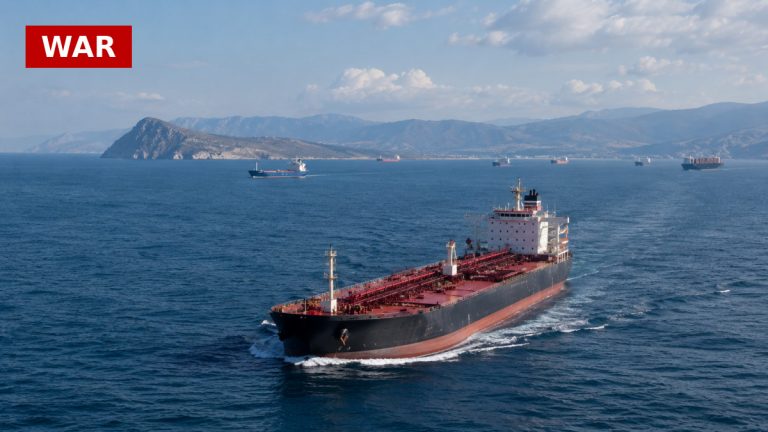
The recent attack on a key Saudi oil pipeline, attributed to Iran-backed militias in Iraq, has significant implications for global oil markets. With the pipeline now closed, Saudi Arabia faces challenges in exporting oil, particularly as tensions in the region escalate. This disruption could lead to increased oil prices, affecting economies worldwide, especially those heavily reliant on oil imports.
The attack highlights vulnerabilities in the region’s oil infrastructure, particularly as Iran and its allies continue to exert influence. The closure of the pipeline limits Saudi Arabia’s ability to bypass the Strait of Hormuz, a critical chokepoint for global oil shipments, further complicating the geopolitical landscape.
Moreover, the Iraqi government’s response, including the dismissal of senior officials and a pledge to investigate, underscores the internal pressures facing Iraq as it navigates its relationship with Iran and its own militia groups. This situation could lead to further instability within Iraq, impacting its governance and security.
As the situation develops, the potential for retaliatory actions or escalated military responses could further disrupt oil supplies, prompting a reevaluation of energy strategies among importing nations. The interconnectedness of regional conflicts and global energy markets means that this incident could have far-reaching consequences beyond immediate oil prices.
Source: PBS News