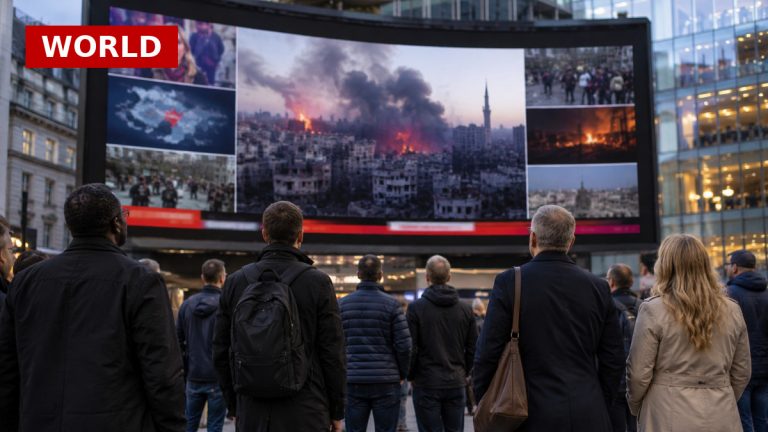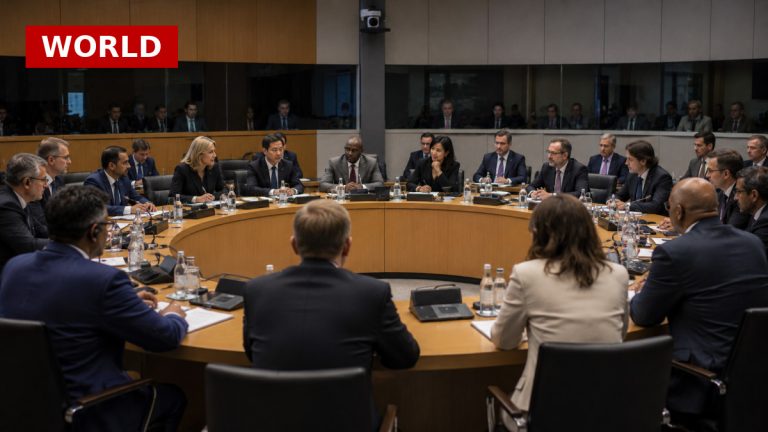
At the recent BRICS summit in New Delhi, leaders expressed deep concerns over escalating tensions in the Middle East, particularly regarding attacks on civilian infrastructure and nuclear facilities. This gathering, which included Iranian President Masoud Pezeshkian, marked a significant moment for the bloc as it seeks to assert its influence against Western dominance, particularly that of the United States.
The leaders condemned unilateral sanctions not sanctioned by the U.N., indirectly targeting the U.S. and its allies. This stance reflects a growing trend among emerging economies to challenge the existing global order and advocate for a multipolar world where developing nations have a stronger voice in international governance.
India’s role in this summit is particularly noteworthy as it balances its relationships with both Western nations and traditional allies like Russia and Iran. Prime Minister Modi’s emphasis on dialogue and diplomacy underscores India’s strategic positioning amid rising global tensions.
As BRICS expands its influence, the implications for global trade and international relations could be profound. The push for using national currencies in trade among member states may reshape economic interactions and reduce reliance on Western financial systems, signalling a shift in global economic power dynamics.
Source: PBS News