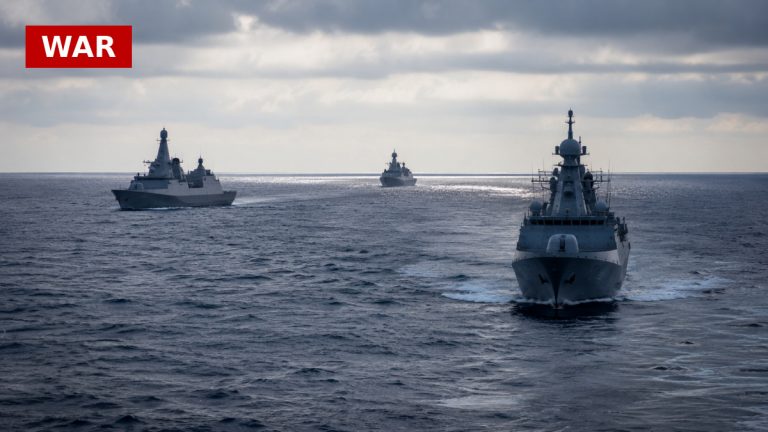
The US military is grappling with a significant shortfall in munitions, as highlighted in a recent report by the Defence Department’s inspector general. Since the onset of hostilities with Iran, the costs of ‘Operation Epic Fury’ have soared to approximately $33.4 billion, with over $22 billion allocated solely for munitions. This has raised serious concerns about the US’s ability to maintain its strategic inventory, revealing critical bottlenecks in the defence industry’s capacity to replenish supplies.
Experts predict that it might take up to three years to restore stocks of advanced missiles and defensive interceptors to pre-war levels. The report also details substantial losses of military equipment, including fighter jets and drones, which were either destroyed or damaged by Iranian attacks. This loss impacts operational readiness and raises questions about future military engagements.
Additionally, the report indicates extensive damage to US bases across the Middle East, with hundreds of structures affected. The costs associated with repairs are not included in the war expenditure, leaving uncertainty about which parties will finance the rebuilding efforts. The implications of these shortages extend beyond immediate military needs, potentially affecting US security posture and defence spending priorities.
Despite these alarming findings, President Trump continues to assert that the military’s ammunition supplies are virtually unlimited, contradicting the inspector general’s report. This disconnect raises concerns about transparency and strategic planning within the military, as the realities of combat operations clash with public assurances of readiness and capability.
Source: Euronews