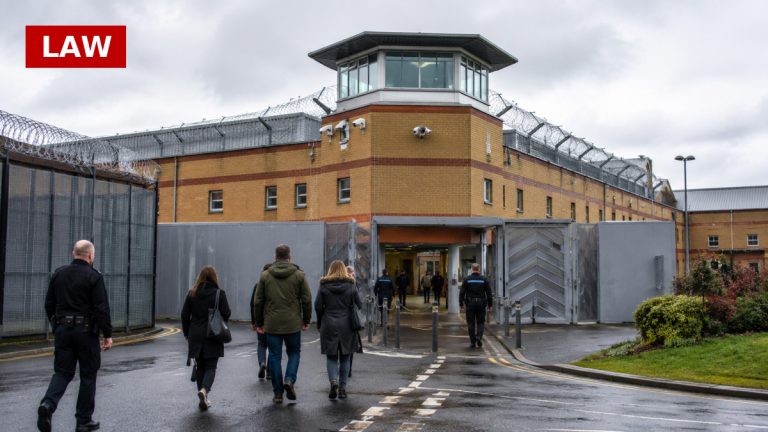
The recent inquiry into the murder of Robert Hamill has unveiled significant police failings during the investigation. Hamill, who was brutally attacked by loyalists in 1997, died from his injuries, and the inquiry has highlighted a series of errors, including a police tip-off that allowed a suspect to destroy evidence. This report, which cost £33 million to produce, has reignited discussions about the conduct of the Royal Ulster Constabulary (RUC) and its legacy.
First Minister Michelle O’Neill plans to address these findings with the Police Service of Northern Ireland’s chief constable, emphasizing the need for accountability. The report’s conclusions suggest that some police actions were negligent, while others appeared deliberate, raising questions about the integrity of the investigation. The Hamill family, who have campaigned for justice for nearly three decades, expressed mixed feelings about the report, acknowledging its findings but noting that it did not name the attackers.
The inquiry’s implications extend beyond this case, as it underscores systemic issues within the RUC that have long been criticized. Politicians from various parties have called for lessons to be learned to prevent future injustices. The inquiry’s findings may influence public trust in policing and the ongoing discourse about how to address historical grievances in Northern Ireland.
As the Hamill family considers their next steps, the report serves as a stark reminder of the challenges faced by victims’ families seeking truth and justice in a complex historical context. The ongoing dialogue about policing and accountability in Northern Ireland is likely to intensify as these revelations are discussed in the public sphere.
Source: BBC News