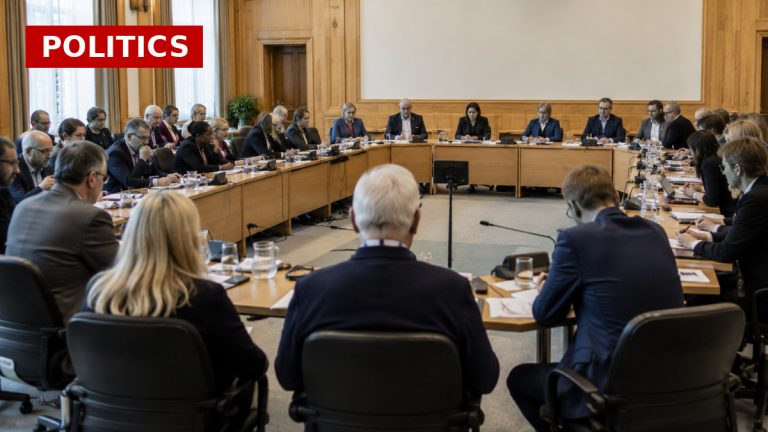
The upcoming Berlin election is shaping up to be a pivotal moment for the city’s political landscape, with three parties—The Left Party, the CDU, and the AfD—neck and neck in the polls. This contest reflects a broader trend of increasing radicalisation in German politics, particularly as centrist parties struggle to resonate with voters. The Left Party’s rise as a credible opposition to the far-right AfD highlights a significant shift in voter sentiment, especially in a city known for its diversity yet marked by political atomisation.
Berlin’s unique political geography complicates predictions, as central districts lean towards progressive parties while the outskirts show stronger support for the CDU and AfD. This division underscores the challenges faced by the CDU, which is now scrambling to adapt after losing its incumbent mayor. The party’s new candidate, Stefan Evers, must navigate a landscape where radical ideas are gaining traction, potentially reshaping governance in the capital.
The Left Party’s recent controversies, including accusations of antisemitism, add another layer of complexity. While they have positioned themselves as the main alternative to the AfD, these issues could alienate some voters. The party’s stance on international issues, particularly regarding Israel and Palestine, resonates deeply with certain demographics, but could also hinder broader appeal.
As Berliners prepare to vote, the implications of this election extend beyond local governance. A shift towards more radical politics could signal a change in national dynamics, pressuring centrist parties to rethink their strategies and policies. The outcome may not only redefine Berlin’s political landscape but also influence the future direction of German politics as a whole.
Source: DW News