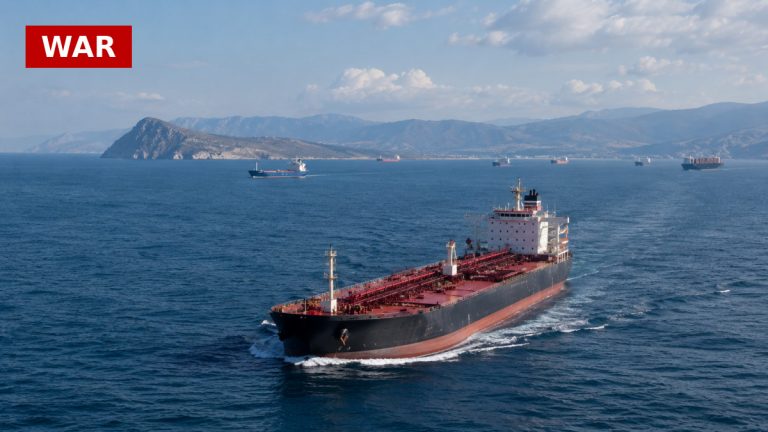
The Kremlin has welcomed Donald Trump’s proposal for an “energy ceasefire” between Russia and Ukraine, suggesting a possible shift in the ongoing conflict. This proposal aims to halt attacks on each other’s energy infrastructure, which could significantly impact the war’s trajectory. However, the Kremlin insists that any agreement must also allow for the unhindered export of Russian oil, indicating that economic interests remain a priority.
Ukrainian President Volodymyr Zelenskyy has expressed conditional support for the ceasefire, contingent on genuine Russian commitment to de-escalation. This highlights a potential opening for negotiations, but skepticism remains high given the ongoing hostilities, including recent drone strikes by Russia on Ukrainian cities.
The situation on the ground continues to evolve, with Ukraine reportedly liberating territory in the Donetsk region. This military progress could influence the dynamics of any potential ceasefire discussions, as Ukraine seeks to strengthen its position before entering negotiations.
Additionally, Russia’s criticism of a French nuclear initiative underscores the broader geopolitical tensions at play. As European nations bolster their security frameworks, the implications for the Ukraine conflict and regional stability could be profound, affecting energy security and military strategies across Europe.
Source: DW News