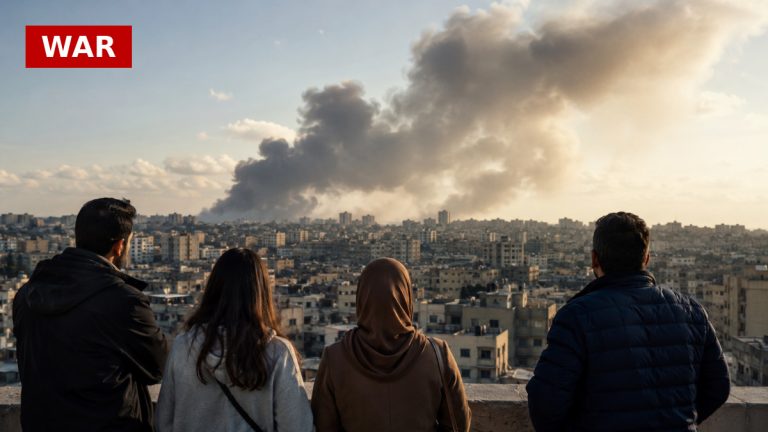
Saudi Arabia’s recent claims that Houthi rebels targeted Mecca have raised alarms across the Muslim world. The Saudi-led coalition reported intercepting a drone aimed at the holy city, emphasizing that the security of Mecca is a ‘red line.’ This incident not only highlights the immediate threat to one of Islam’s holiest sites but also underscores the broader implications for regional stability amidst the ongoing conflict in Yemen.
The Houthis have denied these allegations, calling them a fabrication. However, the potential for conflict escalation is significant, as attacks on sacred sites can provoke widespread outrage and mobilize international condemnation. The Organization of Islamic Cooperation has already condemned the alleged attack, which could lead to increased diplomatic pressure on Iran, the Houthis’ backers.
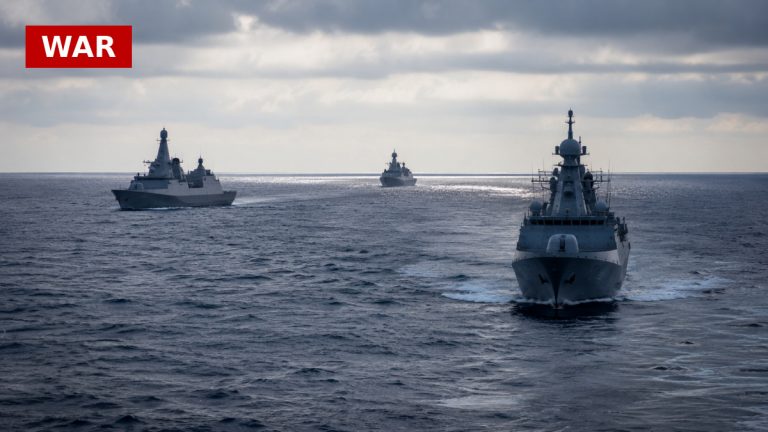
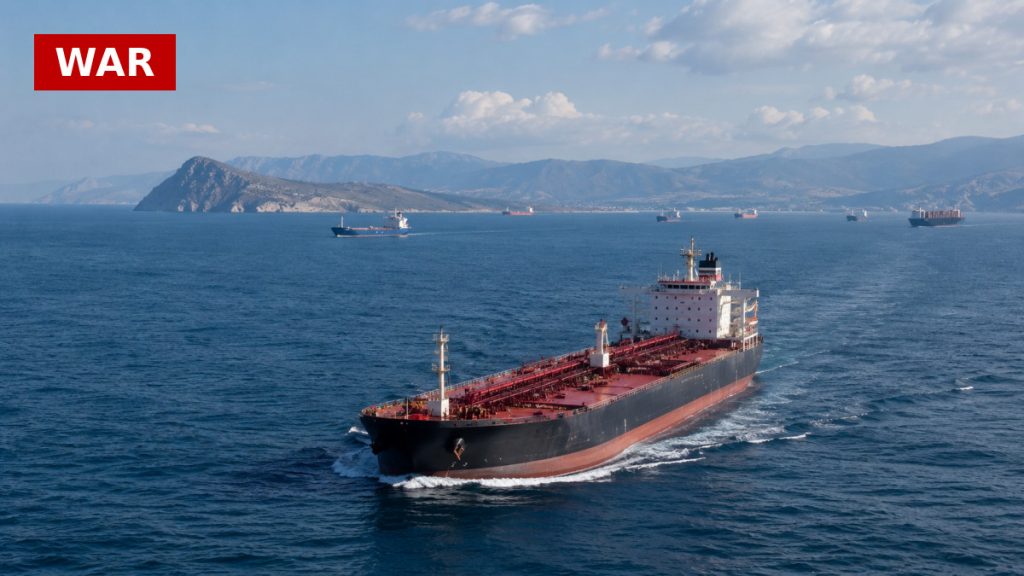
Moreover, the situation has prompted Saudi Arabia to seek support from regional allies like Egypt, indicating a shift in military strategy. This could lead to a more pronounced military presence in the region, affecting maritime security in key shipping lanes like the Bab el-Mandeb Strait, crucial for global oil transport.
As tensions rise, the U.S. has advised its citizens to reconsider travel to Saudi Arabia, reflecting concerns over the safety of American interests in the region. The interplay of local conflicts and international diplomacy will be crucial in shaping the future of security in the Middle East, with potential repercussions for global oil markets and international relations.
Source: DW News