China’s recent commitment to safeguard Iran’s rights highlights a significant shift in Middle Eastern geopolitics. As tensions escalate due to the US-Israel conflict with Iran, Beijing’s stance suggests a potential reconfiguration of alliances in the region. This could lead to increased economic cooperation between China and Iran, particularly in energy, as China is already the largest buyer of Iranian crude oil.
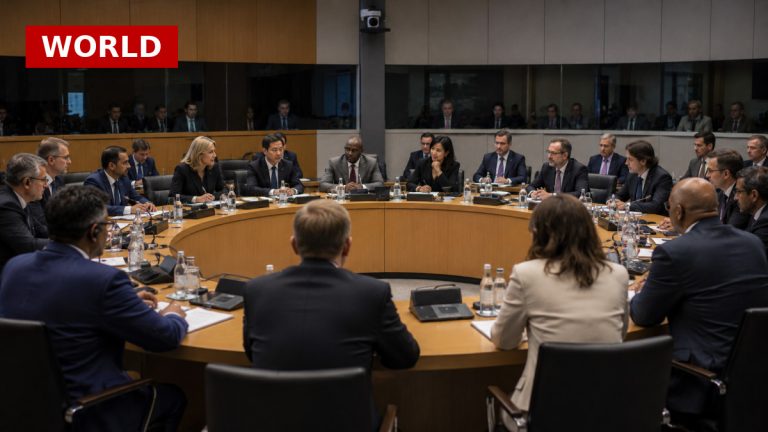
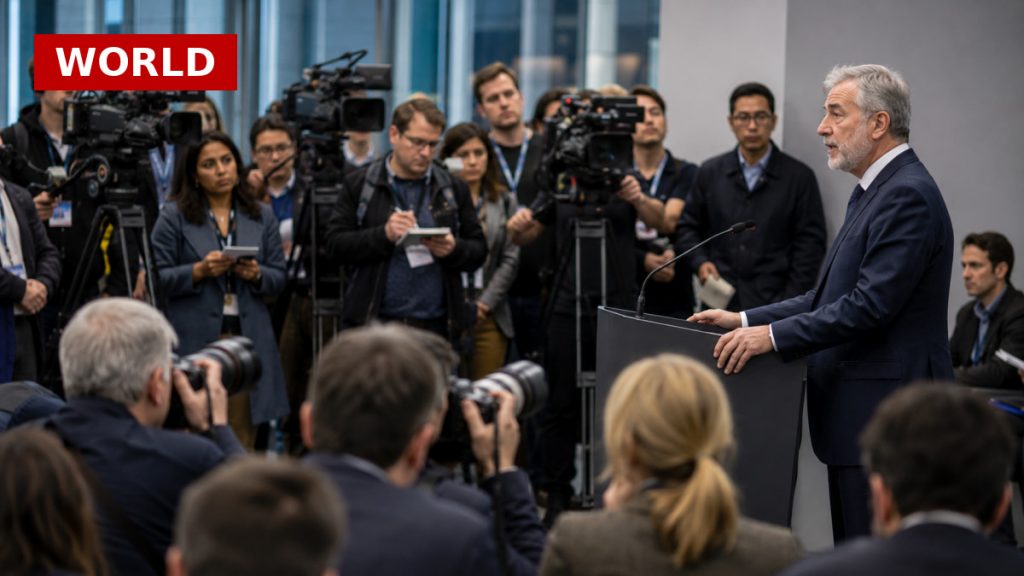
The Chinese Foreign Minister’s remarks about the inadequacies of the current security architecture in the Middle East indicate a call for reform that could reshape diplomatic relations. This is particularly relevant as President Xi Jinping prepares for discussions with US President Donald Trump, where the focus will likely include the ongoing conflict and its implications for regional stability.
Moreover, China’s willingness to engage in dialogue with Iran may encourage Tehran to pursue negotiations with the US, potentially altering the trajectory of the conflict. The emphasis on rationality and restraint from both sides could pave the way for a more stable regional environment, impacting global oil markets and international relations.
As these developments unfold, the implications for everyday life in the UK could be profound, especially if energy prices fluctuate due to changes in Middle Eastern oil supply dynamics. The interconnectedness of global markets means that shifts in this region can have direct effects on household finances and energy costs in the UK.
Source: Al Jazeera