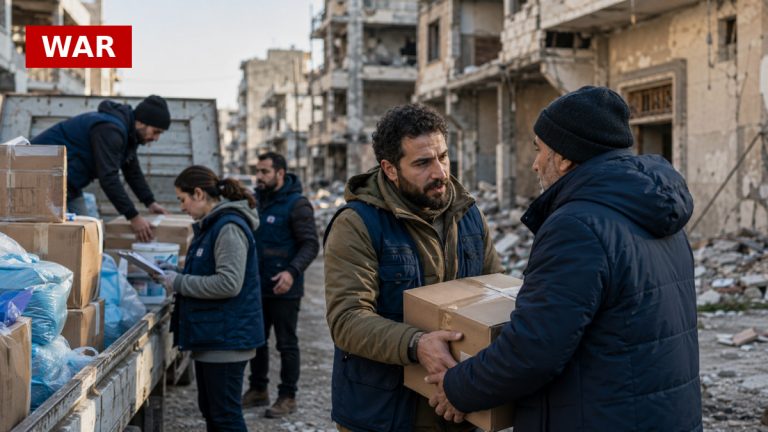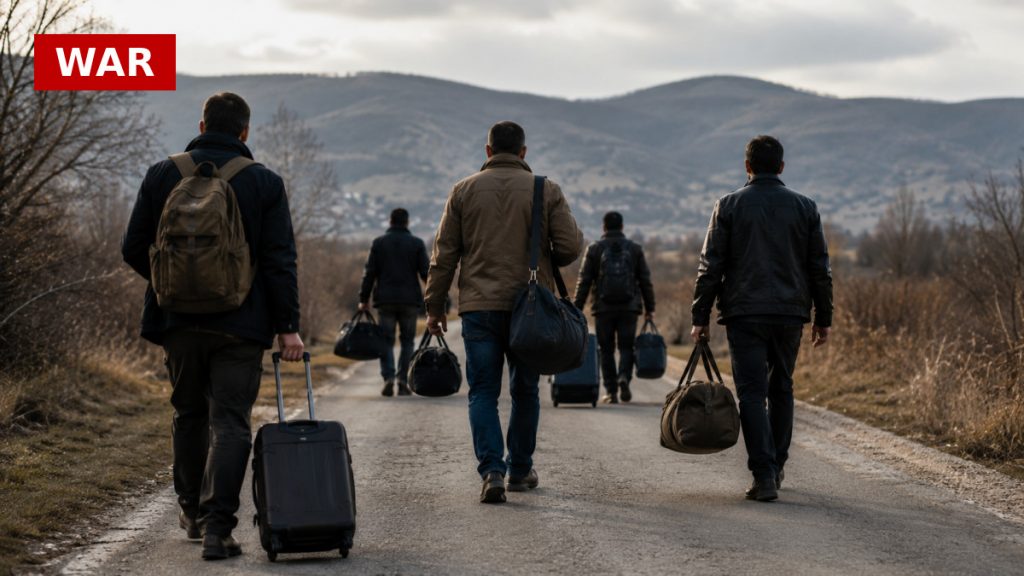
As the war in Iran approaches its seventh month, daily life has drastically changed for many citizens. Initially faced with constant bombings, the Iranian population now grapples with severe economic pressures and heightened uncertainty due to ongoing sanctions. This situation has forced many to adapt to a new reality where survival takes precedence over daily routines.
Despite the hardships, there is a notable sense of pride among Iranians, who view this conflict as a defining moment for their sovereignty. The resilience of the regime, despite losing key military leaders, has surprised many observers. The Iranian government appears to be consolidating its power, even as it faces external threats from the U.S. and Israel.
Public sentiment is complex; while there is a significant desire for reform among the populace, the fear of foreign aggression has stifled protests. Many citizens are reluctant to take to the streets, viewing the current situation as a fight for survival rather than a moment for dissent.
The atmosphere in Iran is charged with a mix of defiance and resignation. As the conflict continues, the long-term implications for Iranian society and governance remain uncertain, with the potential for both increased repression and a stronger national identity emerging from the turmoil.
Source: PBS News