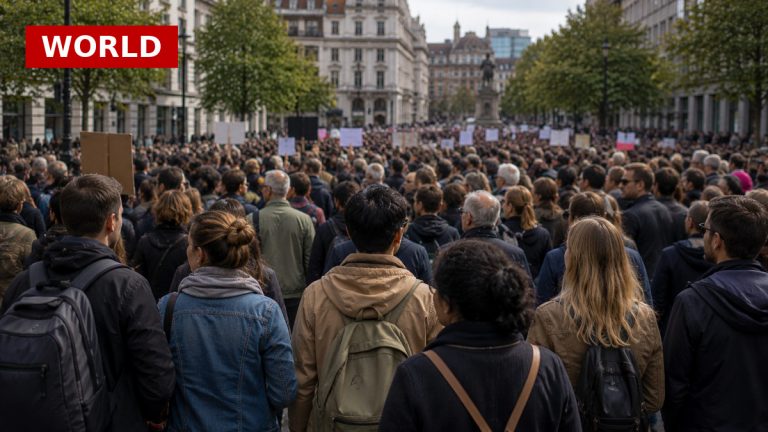
Recent raids in Turkey targeting LGBTQ+ activists have ignited widespread condemnation from both local rights groups and the European Union. The Turkish government’s actions, framed as part of a ‘Decade of Family and Population’ initiative, aim to bolster traditional family values amid declining birth rates. However, critics argue this crackdown is a thinly veiled attempt to suppress LGBTQ+ rights and stifle dissent.
The raids, which resulted in numerous arrests and the blocking of social media accounts, have drawn attention to the ongoing repression faced by the LGBTQ+ community in Turkey. Activists assert that these measures not only violate fundamental human rights but also aim to erase LGBTQ+ visibility from public life. The government’s narrative of protecting families is seen as a guise for authoritarian control, diverting attention from pressing social issues like poverty and violence against women.
Support has emerged from various sectors, including women’s rights organizations, which emphasize that the fight against LGBTQ+ repression is interconnected with broader struggles for equality and justice. The joint declarations from these groups highlight the importance of freedom of assembly and expression for all citizens, regardless of sexual orientation.
As the situation unfolds, the implications for Turkey’s EU accession prospects become increasingly significant. The EU has reiterated that respect for human rights is a cornerstone of its values, putting pressure on Turkey to reconsider its stance on LGBTQ+ rights. This crackdown not only threatens the lives of individuals but also risks isolating Turkey on the international stage, as it faces scrutiny over its commitment to democratic principles.
Source: DW News