The Houthis, a Yemeni militant group, are gaining prominence in the ongoing US-Iran conflict, potentially surpassing Hezbollah in strategic importance. Their recent military successes along the Yemeni coast and in the Red Sea have positioned them as a critical player in Iran’s ‘axis of resistance’, which includes groups like Hezbollah and Hamas. This shift is significant as it alters the balance of power in the region, giving Iran leverage over Saudi Arabia and global shipping routes.
The Houthis’ ability to shoot down a Saudi F-15 fighter jet marks a notable escalation in their military capabilities, raising concerns about their growing influence. Unlike Hezbollah, which has faced setbacks, the Houthis are perceived as a more autonomous force, with their own leadership and objectives. This autonomy allows them to act independently of Iranian directives, complicating the dynamics of regional power.
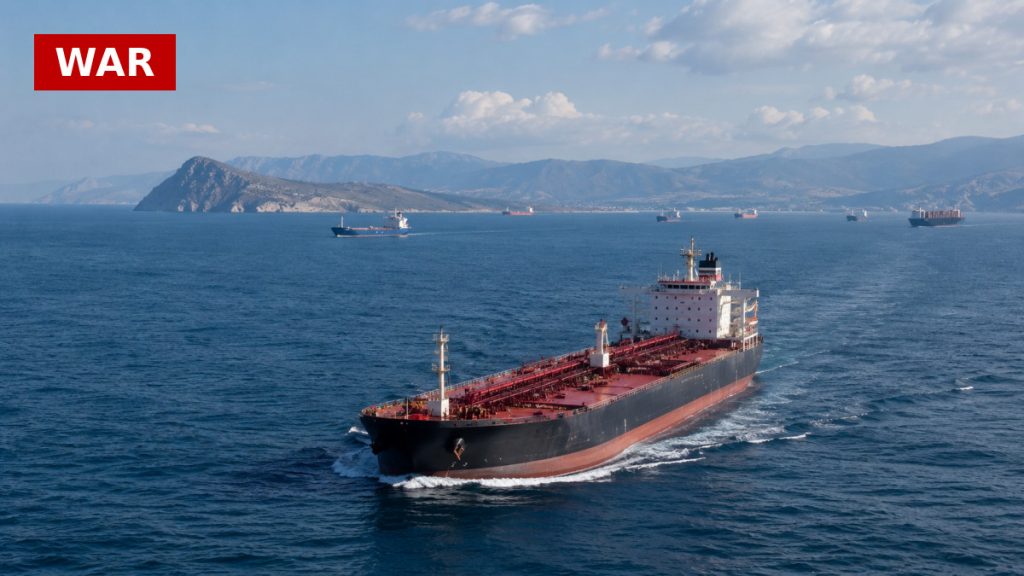
As the Houthis continue to assert control, their actions could lead to increased tensions in the Gulf, particularly concerning oil exports. The implications for global energy markets are profound, as any disruption could affect prices and supply chains worldwide. The Houthis’ rise also signals a shift in how Iran projects power in the region, potentially redefining alliances and conflicts.
In summary, the Houthis are not just a local insurgent group; they are becoming a pivotal player in Middle Eastern geopolitics. Their evolution from a sidelined faction to a key component of Iran’s strategy could have lasting effects on regional stability and international relations, particularly for countries like the UK that are closely monitoring these developments.
Source: DW News