The state funeral of Tung Chee-hwa, Hong Kong’s first post-colonial leader, marks a significant moment in the city’s political landscape. His tenure, which began in 1997, was defined by challenges such as the Asian financial crisis and the SARS outbreak, shaping public sentiment towards governance. Tung’s leadership style and decisions, particularly during crises, have left a lasting impact on Hong Kong’s political culture and public trust in government.
As senior officials from Beijing and Hong Kong gathered to pay their respects, the event underscored the continuing influence of the Chinese government in Hong Kong’s affairs. Tung’s legacy is complex; while he is remembered for his contributions, critics highlight governance struggles that have persisted since his administration, raising questions about the city’s future direction.
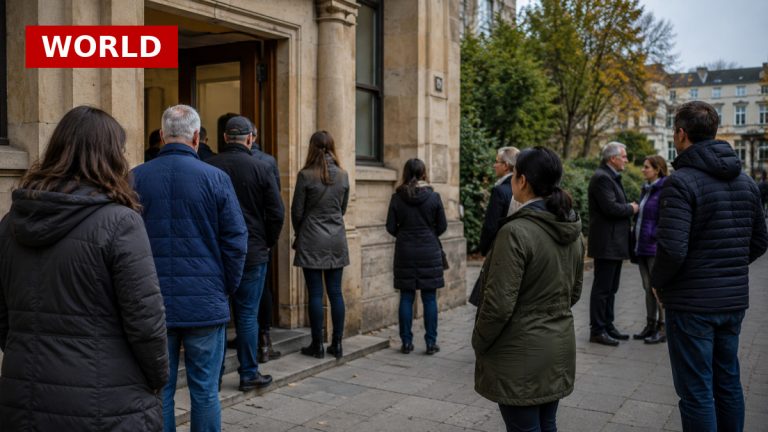
The public’s response to his passing, including the signing of condolence books, reflects a divided sentiment. Many remember him as a figure of stability during turbulent times, while others view his tenure as a period of increasing discontent with governance. This duality in public perception could influence future political dynamics in Hong Kong.
In the wake of Tung’s death, the implications for Hong Kong’s governance and its relationship with Beijing are significant. As the city navigates its identity post-colonial rule, Tung’s legacy will likely continue to shape discussions on leadership and public trust in the years to come.
Source: Al Jazeera