As the global order shifts, countries are increasingly forming new alliances to navigate the unpredictability of US foreign policy under Donald Trump. This trend is particularly evident among former US allies, who are seeking to create protective networks that do not rely solely on American support. The emergence of these ‘hedging alliances’ reflects a growing desire for autonomy in international relations, as nations aim to insulate themselves from potential US abandonment.
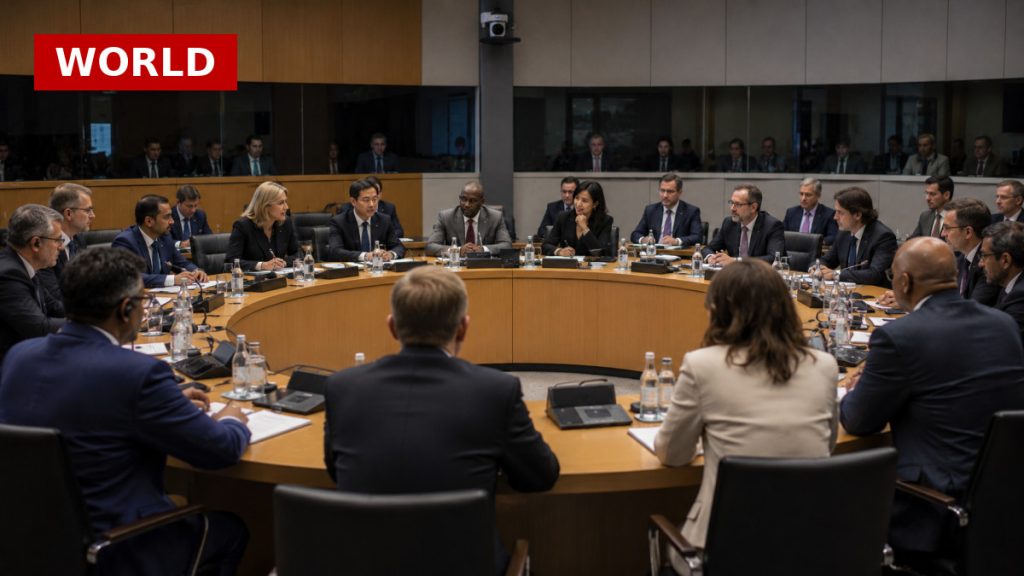
The recent Brics summit highlighted this shift, with countries discussing strategies to reduce dependence on Western financial systems. This move towards a parallel economic framework aims to facilitate trade in critical commodities without US oversight, showcasing a significant change in global economic dynamics. The focus is now on how nations can defend their interests independently, rather than merely aligning with US strategies.
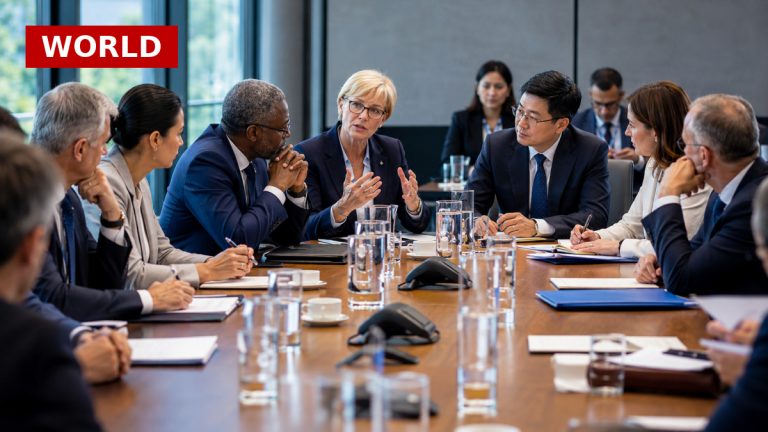
In the UK, think tanks suggest the formation of multiple mini-alliances to enhance collaboration in areas like defence and trade. These developments indicate a broader trend where countries are prioritising self-sufficiency and regional cooperation over traditional alliances, reshaping the landscape of global diplomacy.
As Trump continues to assert his influence, the implications of these new alliances could redefine international relations, particularly in regions like the Middle East, where recent military agreements signal a departure from reliance on US military support. The evolving geopolitical landscape suggests that nations are preparing for a future where they must navigate a more multipolar world.
Source: The Guardian