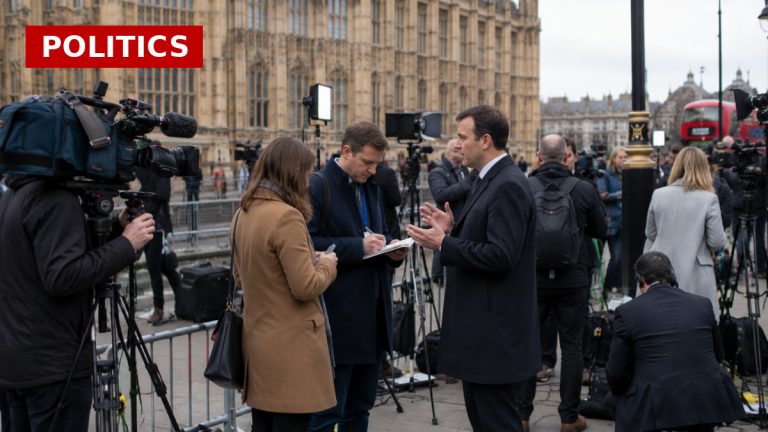
Chancellor Friedrich Merz is grappling with significant political fallout following the recent state elections in Germany, where his party, the Christian Democrats (CDU), failed to secure the necessary votes to enter the parliament in Mecklenburg-Western Pomerania. This unprecedented loss marks a critical moment for the CDU, highlighting a potential shift in Germany’s political landscape as far-right and left-wing parties gain traction.
The results indicate a growing dissatisfaction among voters with the current federal policies, which Merz acknowledges contributed to the CDU’s decline. The rise of the Alternative for Germany (AfD) and the Left Party reflects a broader trend of voters gravitating towards parties that challenge the established political order, raising concerns about the stability of Germany’s parliamentary democracy.
Merz’s admission of a “profound turning point” suggests that the CDU may need to reassess its strategies and alliances, particularly as the AfD claims to have usurped the CDU’s traditional role as the main conservative party. Political analysts warn that this could lead to a fragmented political environment, complicating coalition-building efforts and governance.
As the CDU faces internal and external pressures, the implications for future elections and policy direction are significant. The party’s ability to adapt to these changes will be crucial in maintaining its relevance in an increasingly polarized political climate.
Source: DW News