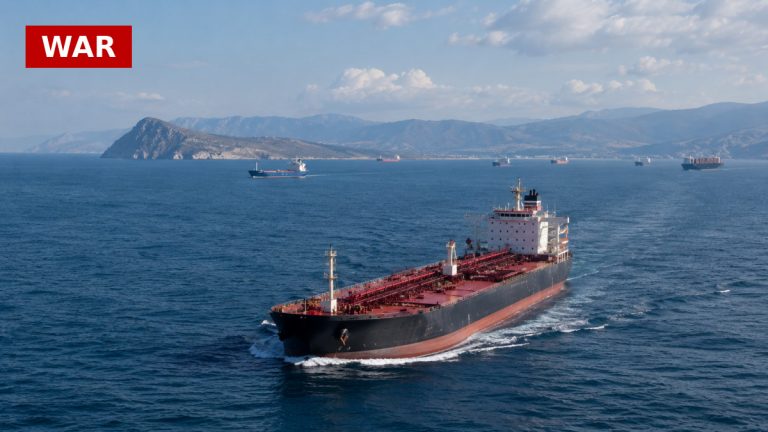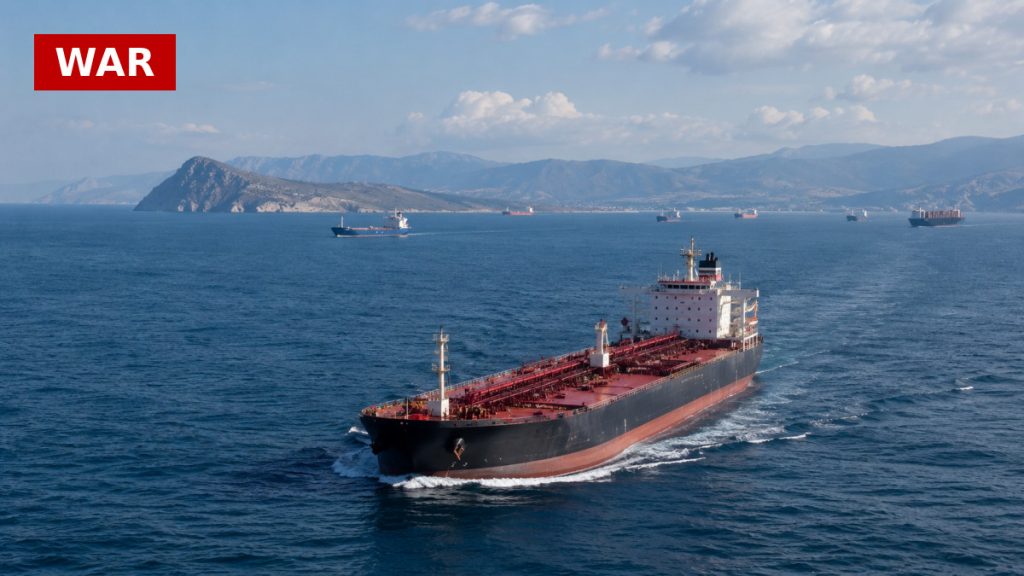
The G7 nations have issued a strong condemnation of Houthi attacks on civilian shipping near Saudi Arabia, calling for an immediate halt to hostilities. This comes as UK Prime Minister Andy Burnham announced that the UK will provide limited military support to Saudi Arabia, specifically through air-to-air refuelling for Saudi aircraft. This military assistance is seen as crucial for maintaining the security of oil supply routes, which are vital for the global economy.
The situation escalated recently when the Houthis launched a missile attack on Riyadh, marking a significant increase in hostilities. The G7’s joint statement urged Iran to cease its support for the Houthis, highlighting the interconnectedness of regional security and global oil markets. The UK’s military involvement, while defensive in nature, underscores the potential for broader implications in the Middle East, particularly regarding energy security and geopolitical stability.
As the UK prepares to deploy its Royal Air Force’s Voyager tanker, the mission is expected to last for several weeks, reflecting a commitment to regional stability. This military support is not just about immediate threats; it also signals a long-term strategy to safeguard vital shipping lanes in the Red Sea and Bab el-Mandeb Strait, which are crucial for international trade.
The ramifications of this conflict extend beyond the immediate region, affecting global oil prices and supply chains. With the Houthis declaring a blockade on Saudi shipping, the potential for further escalation poses risks not only to Saudi Arabia but also to the UK and its allies, who rely on stable oil supplies for their economies.
Source: DW News