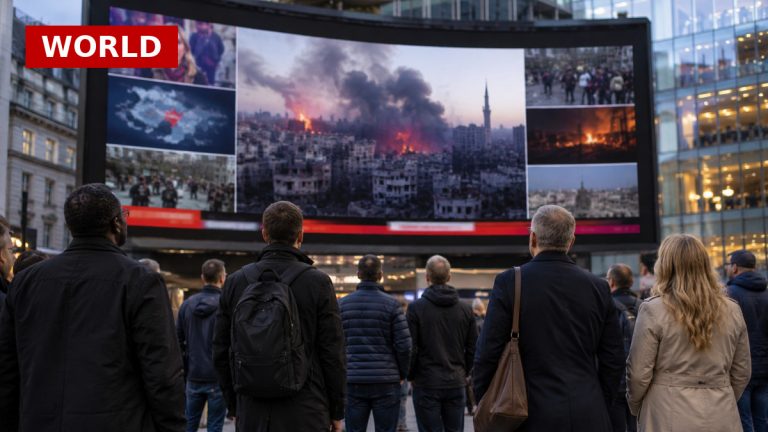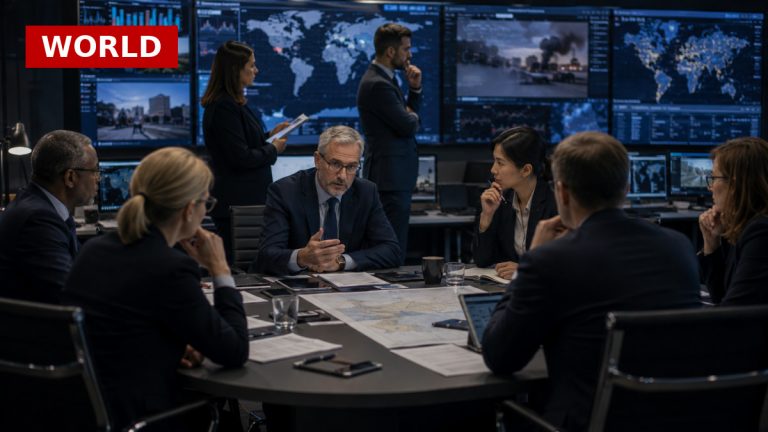
In a recent speech at the UN General Assembly, Iranian President Masoud Pezeshkian condemned the US as a ‘bully’ while expressing a willingness to engage in dialogue, provided it is free from threats. This dual approach highlights Iran’s strategy to assert its sovereignty while seeking diplomatic solutions, especially in light of the ongoing conflict with the US and Israel.
Pezeshkian’s remarks come after a surprise meeting between Iranian and US officials, which, despite its brevity, suggests a potential thaw in relations. However, the Iranian leader’s insistence on conditions for negotiations, including the right to inspect ships in the Strait of Hormuz, indicates that Tehran is not ready to compromise on its security concerns.
The implications of these talks are significant for global energy markets, as any disruption in the Strait of Hormuz could lead to soaring oil prices. Iran’s control over this vital waterway means that its demands could reshape shipping routes and energy supply chains, affecting economies worldwide.
As tensions escalate, Pezeshkian’s call for regional cooperation rather than reliance on external powers reflects a broader shift in Iran’s foreign policy. This could lead to new alliances in the Middle East, altering the geopolitical landscape and impacting UK interests in the region.
Source: The Guardian