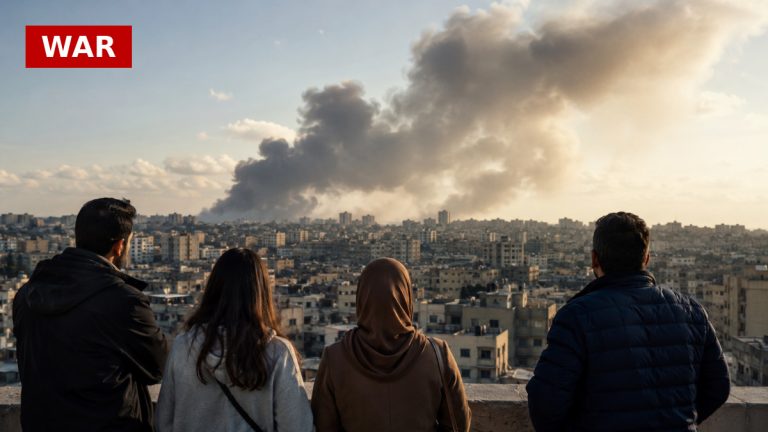
Recent Israeli airstrikes in southern Lebanon have resulted in civilian casualties and forced displacements, raising concerns about the ongoing conflict’s impact on regional stability. As Israel targets areas it claims are linked to Hezbollah, the situation has escalated, with warnings for residents to evacuate. This military action not only affects those in Lebanon but also has broader implications for the Middle East, particularly as tensions between Israel and Iran continue to simmer.
For the UK, this conflict could have indirect effects, especially in terms of energy prices and security policies. The instability in Lebanon may lead to increased oil prices, which could impact UK consumers already facing rising living costs. Additionally, the UK government may need to reassess its foreign policy and security strategies in response to the evolving situation.
Moreover, the humanitarian crisis resulting from these attacks could lead to increased refugee flows, which may affect the UK’s immigration policies and public services. As the conflict continues, the UK might see a rise in calls for humanitarian aid and support for those displaced by the violence.
In summary, while the conflict may seem distant, its repercussions could resonate within the UK, influencing everything from energy costs to immigration and foreign policy. Keeping an eye on developments in Lebanon is crucial for understanding potential changes that could affect daily life in the UK.
Source: Al Jazeera