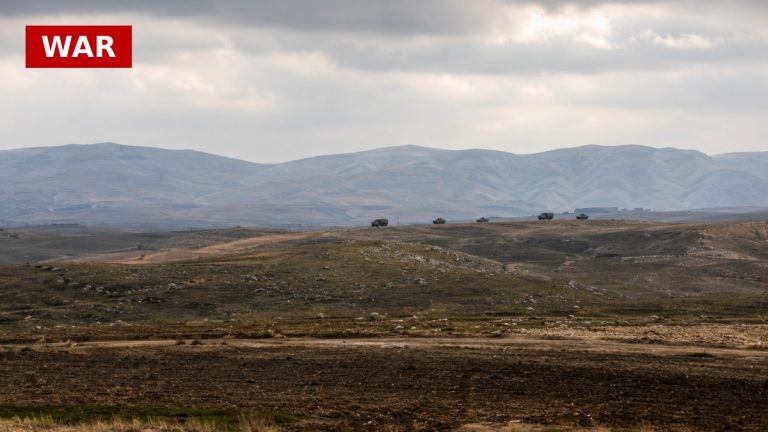
Israel’s Prime Minister Benjamin Netanyahu has announced an intensification of military strikes against Hezbollah in Lebanon, marking a significant escalation in the ongoing conflict. This comes after a recent ceasefire agreement, which has been tenuous at best, with continued fighting reported. The Israeli Defense Forces (IDF) have targeted Hezbollah sites in the Bekaa Valley and other areas, raising concerns about the potential for broader conflict, especially in urban centres like Beirut.
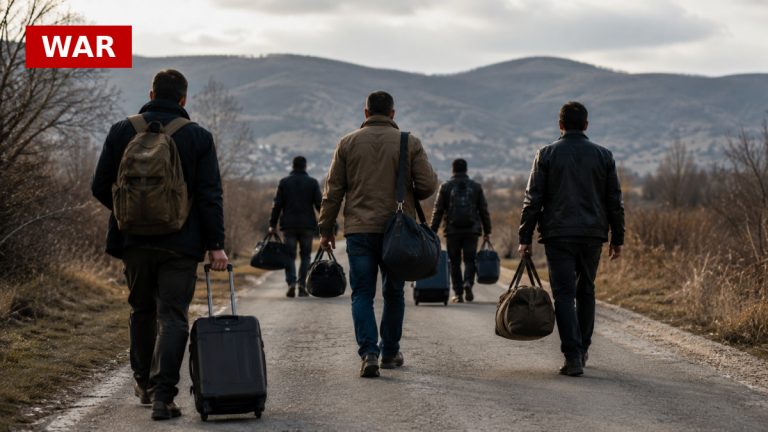
The implications of this escalation extend beyond immediate military concerns. With over 400 casualties reported in Lebanon since the ceasefire, the humanitarian impact is severe, leading to increased displacement and suffering among civilians. The Israeli government has issued evacuation orders for residents in southern Lebanon, indicating a strategy aimed at crippling Hezbollah’s operational capabilities.
As the situation develops, the potential for wider regional instability grows. Iran’s involvement as Hezbollah’s ally complicates matters further, with calls for a ceasefire from Tehran amidst ongoing military actions. This dynamic could influence international diplomatic efforts, particularly regarding peace negotiations involving the US and Iran.
For the UK, this conflict could have indirect consequences, particularly in terms of energy security and geopolitical stability in the Middle East. Increased tensions may affect oil prices and disrupt supply chains, which could ultimately impact UK consumers and businesses. Keeping an eye on this situation is crucial as it evolves, given its potential to affect global markets and security.
Source: BBC News