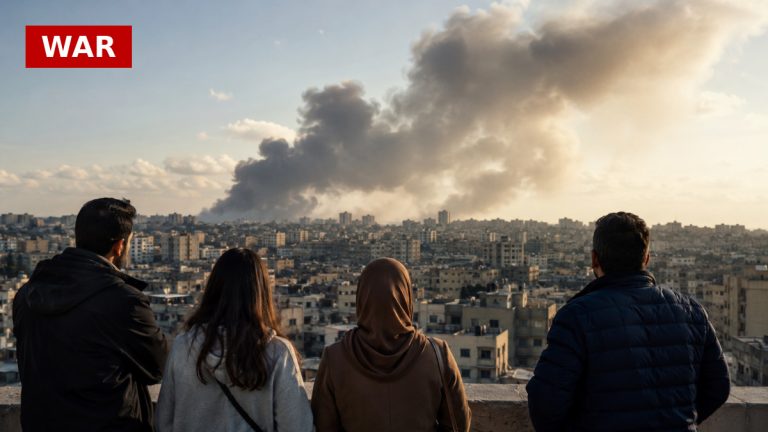
Israeli Prime Minister Benjamin Netanyahu has announced an increase in military control over Gaza, now aiming for 70% of the territory. This move contradicts the ceasefire terms agreed upon in October 2025, raising concerns about the future of peace negotiations. As Israel continues its military operations, the humanitarian situation in Gaza worsens, with significant civilian casualties reported.
The escalation in military control could hinder ongoing US-brokered talks aimed at stabilising the region. With indirect negotiations already stalled, this development may lead to further violence and complicate efforts to achieve a lasting peace. The situation is particularly dire for the 2.1 million residents of Gaza, many of whom are already displaced and facing severe shortages of essential supplies.
Netanyahu’s directive to increase military presence could also signal a shift in Israel’s long-term strategy regarding Gaza. The potential for forced displacement of Palestinians, as suggested by some Israeli officials, raises serious ethical and legal questions, particularly concerning international law and human rights.
As the conflict continues, UK readers should be aware of the broader implications for regional stability and the potential for increased tensions that could affect international relations, including the UK’s diplomatic stance in the Middle East. The situation remains fluid, and the consequences of these military actions will likely unfold in the coming weeks.
Source: BBC News