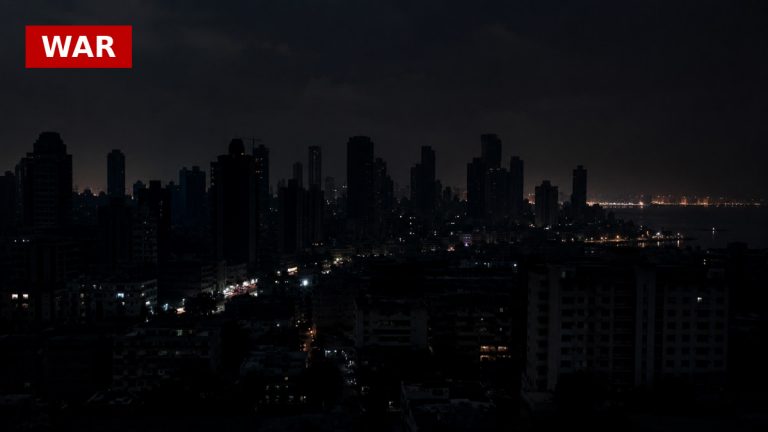
Recent satellite imagery reveals that Iran has inflicted damage on 20 US military sites across the Middle East since the onset of the current conflict. This escalation suggests that Iran’s military capabilities may be more robust than previously acknowledged by US officials. The attacks have targeted key installations in countries such as Saudi Arabia, the UAE, and Kuwait, causing significant damage to advanced air defence systems and aircraft.
The implications of these strikes extend beyond immediate military concerns. Analysts indicate that the US may have underestimated Iran’s evolving tactics, which have shifted from broad missile barrages to more precise strikes aimed at high-value targets. This change in strategy raises questions about the effectiveness of US military preparedness in the region.
For the UK, this situation could have indirect consequences, particularly in terms of global security and energy prices. As tensions escalate, there may be increased volatility in oil markets, which could affect household energy bills and fuel costs in the UK. Furthermore, the potential for broader conflict in the region could impact UK interests and citizens abroad.
As the situation develops, UK policymakers and citizens alike should remain vigilant about the implications of these military actions. Understanding the dynamics at play can help in anticipating future changes in both security and economic landscapes.
Source: BBC News