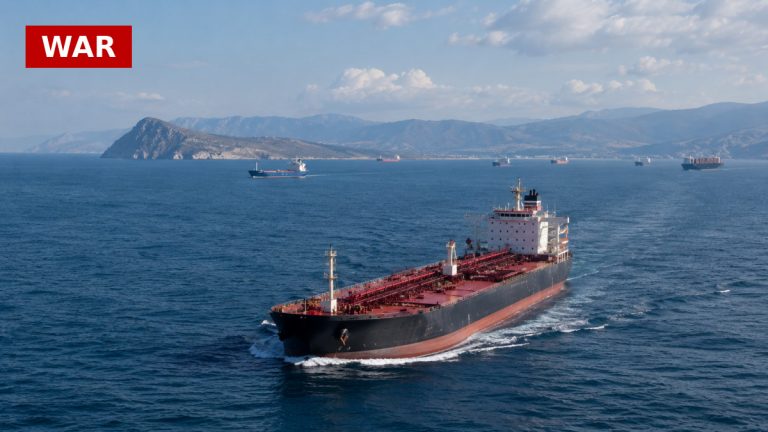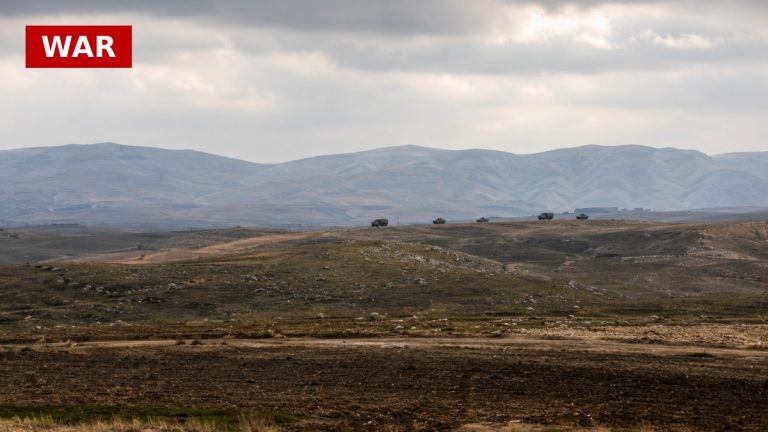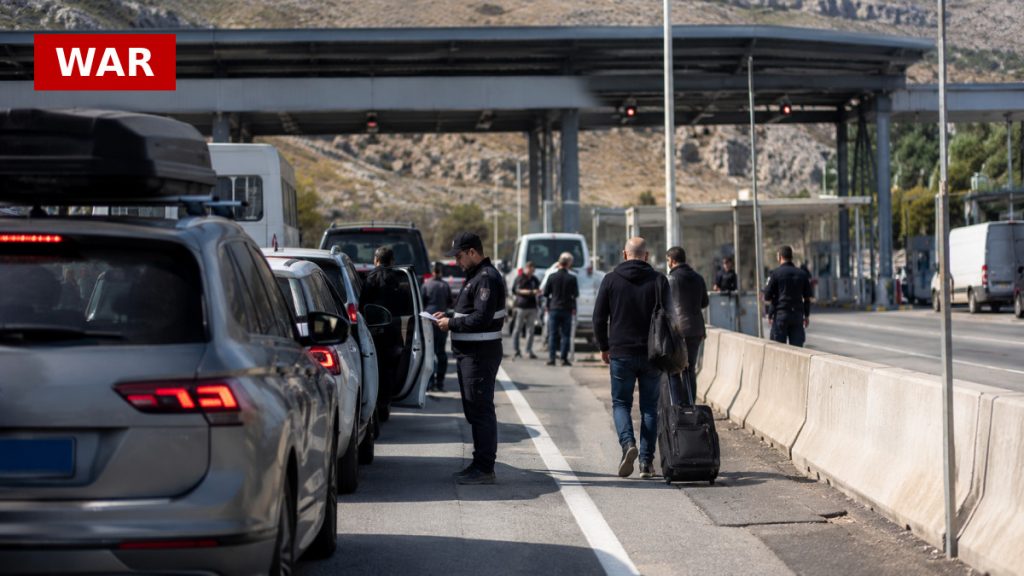
Recent air strikes between the US and Iran near the Strait of Hormuz have heightened tensions in a region critical for global oil supply. The US Central Command reported targeting Iranian military sites in response to aggressive actions, including the downing of a US drone. Iran retaliated by striking a US air base, signalling a dangerous escalation in hostilities.
The Strait of Hormuz is a vital shipping route, with about 20% of the world’s oil passing through it. Ongoing military actions could disrupt this flow, potentially leading to higher fuel prices globally. The situation remains precarious, with both nations engaged in ceasefire negotiations that have yet to yield a formal agreement.
For the UK, this conflict could mean increased energy costs as global oil prices rise in response to instability in the Gulf. Households may feel the pinch as fuel prices climb, impacting everything from transportation to heating costs.
As the situation develops, the UK must monitor these tensions closely, as any prolonged conflict could have significant economic repercussions, affecting not just energy prices but also broader market stability. Understanding these dynamics is crucial for anticipating future financial impacts on everyday life in the UK.
Source: BBC News