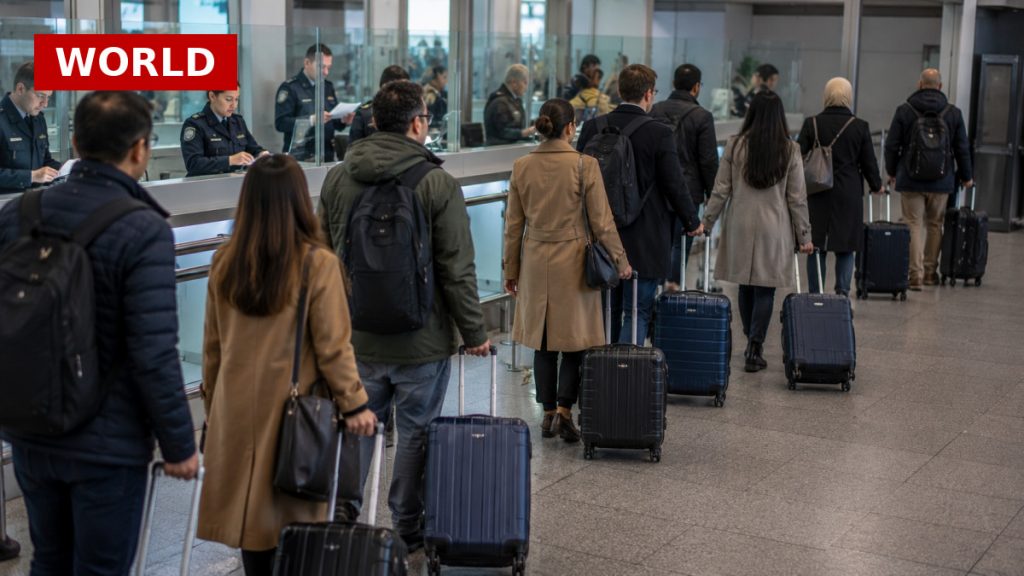
Greece has reopened asylum cases for Syrians and Afghans, raising concerns about the safety of returning to their home countries. Many refugees, like Bashir, who have built lives in Greece, now face uncertainty as authorities question their asylum status. This policy shift is seen as part of a broader trend influenced by the European Union’s stance on migration, which may lead to increased deportations despite ongoing conflicts in these regions.
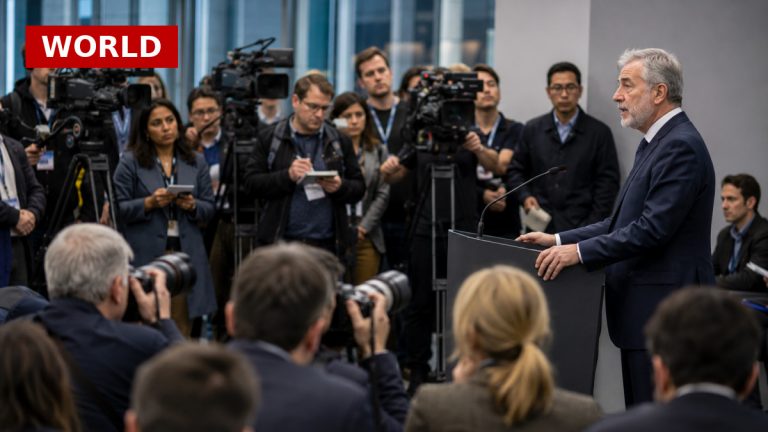
The Greek Migration Minister’s comments suggest a preference for non-Muslim migrants, indicating a potential bias in the asylum process. As Greece tightens its migration policies, including harsher penalties for rejected asylum seekers, the implications for those affected could be severe, forcing many to consider fleeing to other countries rather than facing return.
This situation highlights the precariousness of asylum in Europe, where political pressures can lead to significant changes in policy. The reopening of cases may not only affect individual lives but also signal a shift in how Europe manages migration, particularly as it prepares to implement a new Asylum and Migration Pact.
As the situation evolves, the impact on community cohesion and the future of Greece’s refugee population remains uncertain. The decisions made now could set a precedent for how asylum seekers are treated across Europe, influencing migration patterns and international relations in the years to come.
Source: Al Jazeera