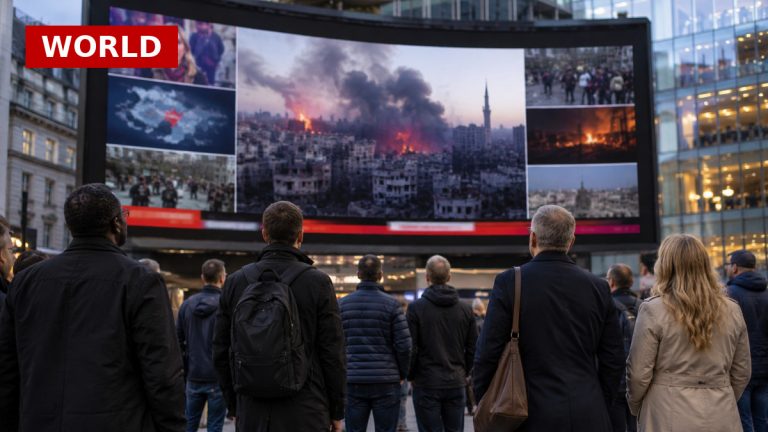
The ongoing conflict involving Iran has significant implications for its relationships with Gulf neighbors, particularly as tensions escalate. Gulf Cooperation Council (GCC) countries are increasingly vulnerable to Iranian missile and drone attacks, which have already targeted military and civilian infrastructure in the region. This situation has led to a heightened sense of mistrust among these nations, complicating future diplomatic and economic interactions.
As the war continues, Gulf states are not only concerned about immediate threats but also about the long-term stability of the region. The potential for a negotiated end to hostilities raises questions about how GCC countries can coexist with a regime in Tehran that has historically viewed them as adversaries. Analysts suggest that while geography necessitates some level of accommodation, genuine reconciliation remains unlikely without significant changes in Iran’s regional policies.
The GCC’s response has included coordinated efforts to bolster defenses and address shared concerns about Iranian aggression. This collective stance could lead to new trade routes and energy corridors that bypass Iranian influence, further isolating Tehran economically. The shift in regional dynamics may also foster closer ties among Arab states, driven by mutual suspicion of Iran.
Ultimately, the future of Gulf-Iran relations hinges on Iran’s willingness to alter its confrontational approach. Until then, the region is likely to experience a colder rivalry, marked by tactical maneuvers rather than genuine trust or cooperation.
Source: DW News