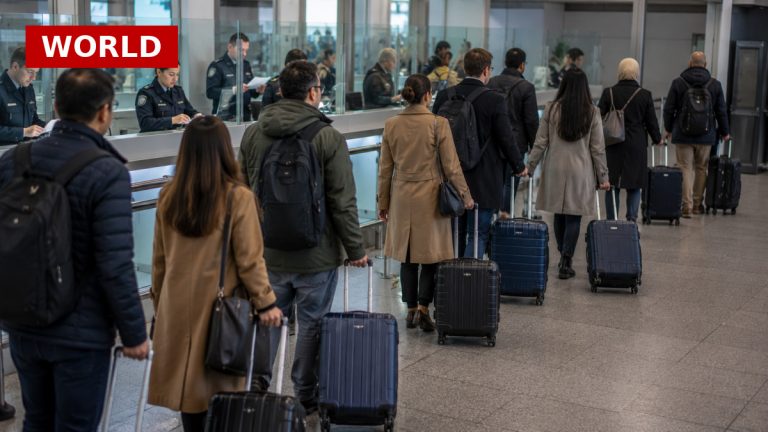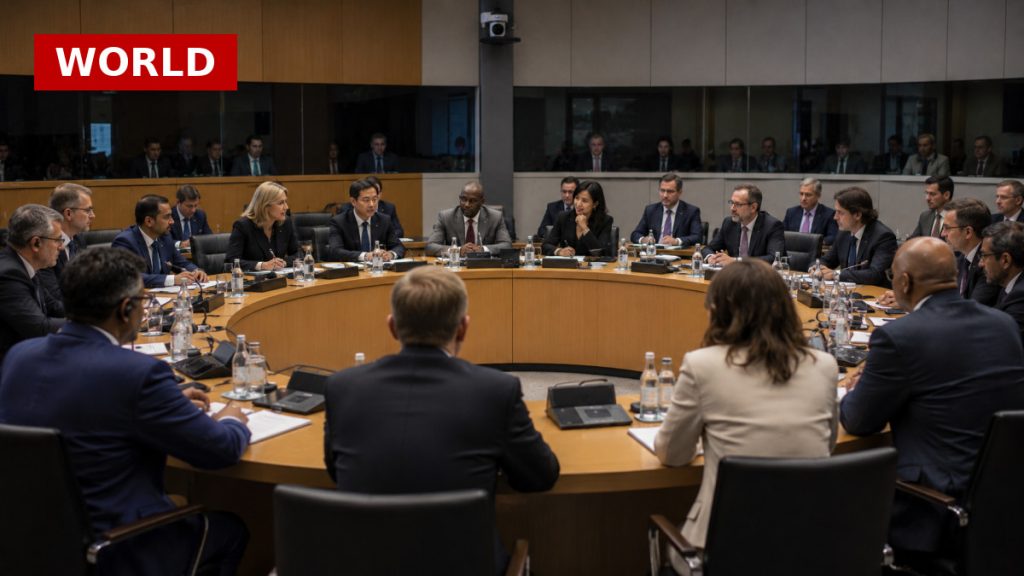
Pope Leo XIV’s visit to Spain underscores the nation’s commitment to peace and its progressive stance on immigration. By praising Spain’s opposition to war and support for migrants, the Pope aligns himself with the socialist government, which has implemented policies that contrast sharply with the rest of Europe. This visit could influence public perception and policy discussions around immigration, especially as Spain plans to legalise hundreds of thousands of undocumented migrants, integrating them into the workforce.
The Pope’s focus on these issues comes at a time when immigration remains a divisive topic in Spain. His meetings with victims of sexual abuse within the Church also highlight ongoing efforts for accountability and healing. This dual focus on migration and abuse could shift the narrative around the Church’s role in social justice, potentially impacting its influence in Spanish society.
As the Pope delivers an unprecedented address to the Spanish parliament, his messages may resonate beyond religious circles, affecting political discourse and public sentiment. The emphasis on peace and solidarity could challenge entrenched ideologies, inviting broader discussions on humanitarian responsibilities in the face of global crises.
With an expected turnout of around 400,000 young people at a prayer vigil, the Pope’s visit is not just a religious event but a significant moment for Spain’s national identity. His presence may galvanise support for policies that prioritise compassion and solidarity, shaping the future of Spain’s approach to both migration and social issues.
Source: BBC News