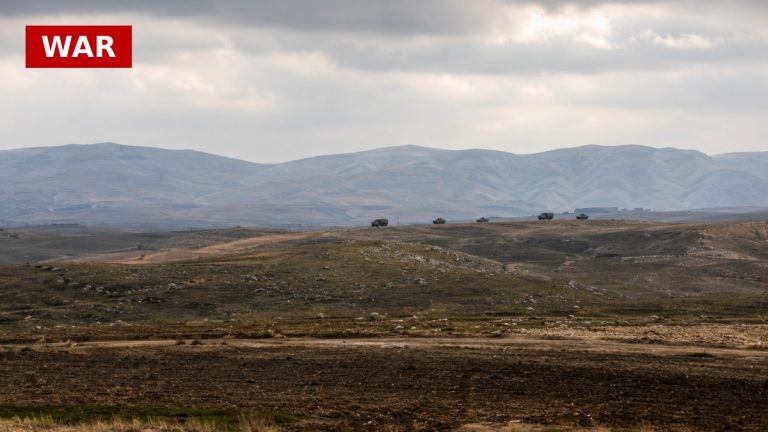
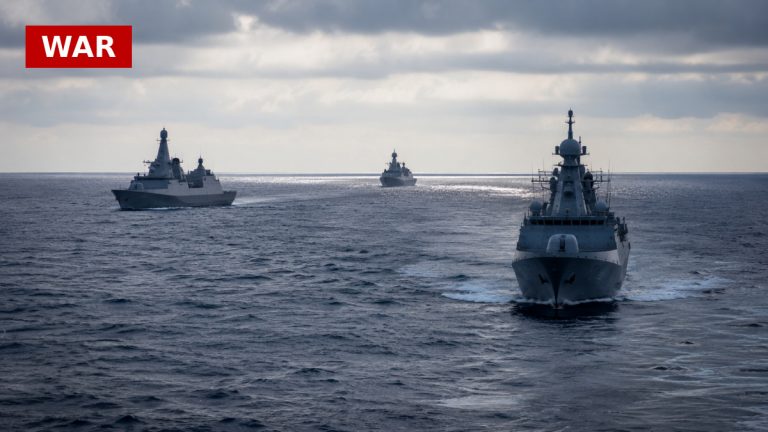
The recent missile strikes by Iran on Israel mark a significant escalation in the ongoing conflict, highlighting the fragility of the current ceasefire. This retaliation comes after Israel’s military actions in Lebanon, indicating a complex interplay of regional hostilities that could destabilise the already tenuous peace efforts. The Israeli military’s response, targeting Iranian sites, underscores a shift in military strategy that could lead to further confrontations, not just between Israel and Iran, but also involving Hezbollah in Lebanon.
US President Trump’s insistence on pursuing a peace settlement despite these hostilities raises questions about the viability of negotiations. His call for restraint from Israel suggests a delicate balancing act, aiming to prevent a full-blown conflict while still addressing security concerns. The potential for miscalculation is high, as both sides may feel compelled to respond aggressively to perceived threats, complicating diplomatic efforts.
The implications for everyday life in Israel are profound; increased military activity may lead to heightened security measures and disruptions. Citizens could face more frequent air raid sirens and potential evacuations, altering daily routines and impacting mental health. Moreover, the economic ramifications could be significant, with potential impacts on tourism and foreign investment as instability rises.
As the situation develops, the international community will be watching closely. The outcome of these exchanges could redefine alliances and influence future negotiations, particularly regarding Iran’s nuclear ambitions and its role in regional conflicts. The delicate balance of power in the Middle East hangs in the balance, with the potential for broader implications beyond immediate military engagements.
Source: Radio Free Europe/Radio Liberty