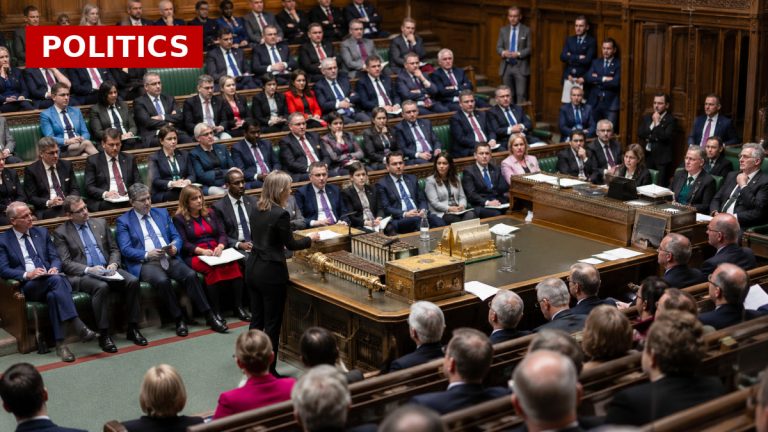
Scotland has seen a notable increase in the number of disabled Members of the Scottish Parliament (MSPs), rising from six to nine in the latest session. This change, while positive, still falls short of reflecting the 24% of the population that identifies as disabled. Campaigners argue that despite improvements, barriers remain that hinder full participation and retention of disabled individuals in politics.
Accessibility enhancements at Holyrood, such as automatic doors and tailored evacuation plans, have made a significant difference for new MSPs like Kayleigh Kinross-O’Neill. However, there is a pressing need for ongoing support, particularly for those with hidden disabilities like dyslexia. MSP Katie Hagmann emphasizes that recognition and accommodation for these conditions are crucial for effective participation in parliamentary duties.
The Scottish government has committed to further improving access, with initiatives like the Access to Elected Office Fund aimed at supporting disabled candidates. This fund has already helped 22 individuals during the recent election cycle, enabling five to secure seats in parliament. Yet, the representation of disabled individuals still lags behind their demographic presence in Scotland.
As discussions continue about enhancing inclusivity in politics, the focus remains on ensuring that disabled MSPs not only enter but also thrive in their roles. The journey towards a fully representative parliament is ongoing, with advocates calling for more comprehensive measures to address both visible and hidden disabilities.
Source: BBC News