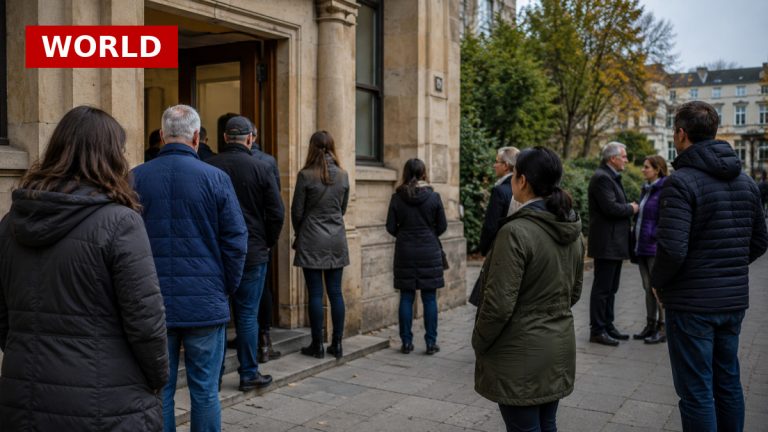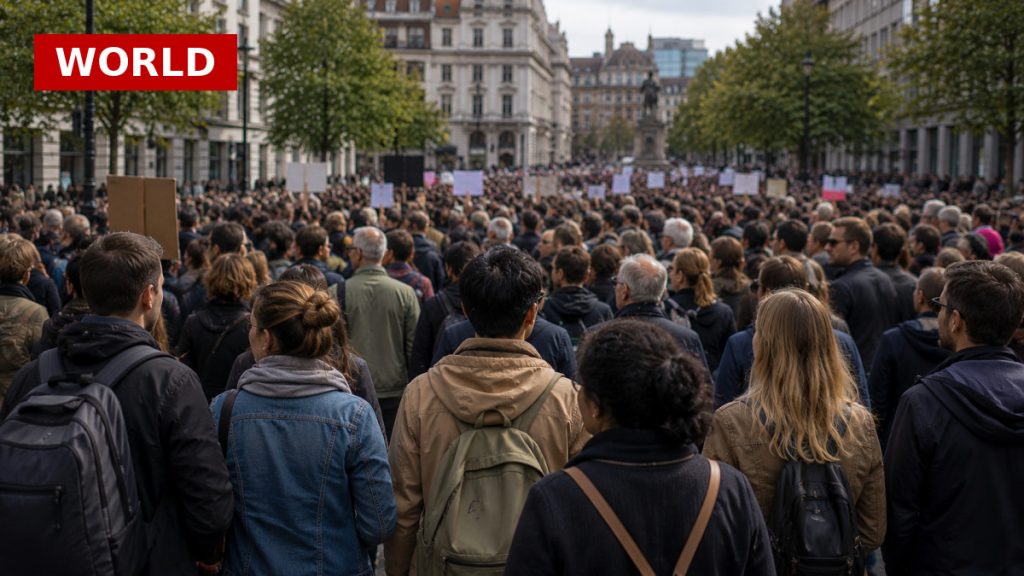
Armenia’s recent elections have underscored a troubling trend of democratic backsliding, marked by extreme polarization and hate speech. Prime Minister Nikol Pashinyan’s victory may signal a shift towards the West, particularly in relation to the European Union, but it also reveals the complexities of Armenia’s geopolitical landscape. The nation is caught between its historical ties to Russia and the need for diversification in foreign policy.
Voter concerns extended beyond foreign relations, encompassing security, economic vulnerabilities, and the legacy of past conflicts. This multifaceted approach to governance reflects a society grappling with its identity amid ongoing transitions. The implications of this election are significant, as they may influence Armenia’s future stability and democratic integrity.
The rise of stigmatization and divisive rhetoric during the campaign has raised alarms about the health of Armenia’s democracy. As citizens navigate these challenges, the potential for increased social unrest looms, complicating the path towards a more unified national identity.
Ultimately, the election results could have lasting effects on Armenia’s internal cohesion and its relationships with both Western and Eastern powers. Observers will be watching closely to see how Pashinyan manages these delicate dynamics in the coming months.
Source: France 24