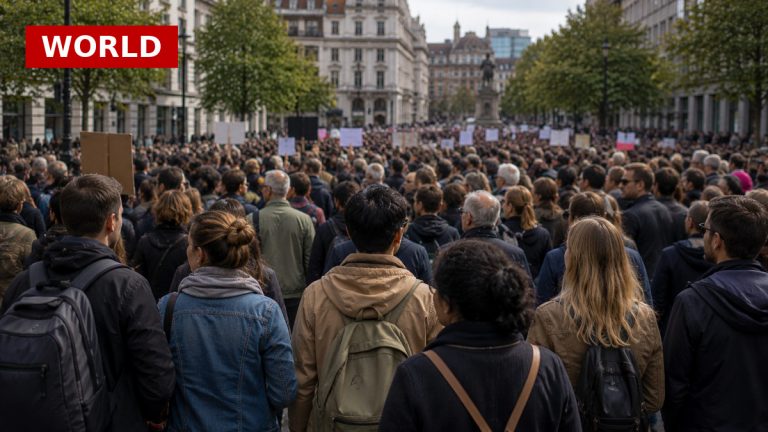
In Kenya, tensions are escalating over the proposed establishment of a US-managed Ebola quarantine center in Nanyuki, which has sparked fierce local protests. Demonstrators fear that the facility, intended for Americans exposed to the virus in the Democratic Republic of Congo, could inadvertently introduce Ebola into a country that currently has no recorded cases. The situation turned violent when police shot and killed a protester, highlighting the deep-seated mistrust among locals regarding foreign health interventions.
The Kenyan government, led by President William Ruto, insists on proceeding with the center despite a temporary court order halting construction. This defiance raises questions about the balance between international health cooperation and local public safety concerns. The US has pledged significant funding for Kenya’s Ebola preparedness, but the lack of clarity on how the facility will serve Kenyans has fueled further unrest.
As the World Health Organization declares an international health emergency due to the ongoing outbreak in the region, the implications of this center extend beyond immediate health risks. The protests reflect broader anxieties about sovereignty, health security, and the potential for foreign influence in national health policies.
The situation underscores a critical juncture for Kenya as it navigates international partnerships while addressing the fears of its citizens. The outcome of these protests could shape future health collaborations and influence public perception of foreign health initiatives in the region.
Source: DW News