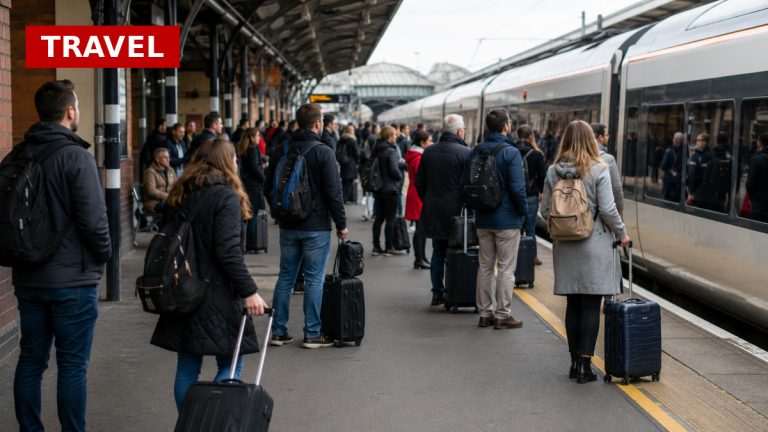
The EU’s new Entry/Exit System (EES), designed to streamline border controls, is facing significant delays in stabilisation, potentially lasting up to two years. This warning from Frontex, the agency overseeing EU borders, highlights the challenges of collecting biometric data from non-EU travellers, particularly the fingerprinting process. As a result, travellers are experiencing long queues and inconsistent procedures at popular destinations, which could disrupt travel plans during peak seasons.
The travel industry is particularly concerned about the impact of these delays. ABTA’s chief executive described the situation as ‘very painful,’ indicating that the ongoing chaos could deter tourists and affect travel-related revenues. With the summer season approaching, the lack of a coherent approach among EU countries in implementing EES is exacerbating the issue, leading to frustration among travellers and industry stakeholders alike.
Moreover, the absence of plans to ease EES processes during busy periods means that travellers may continue to face significant delays. Countries like Greece have recently reversed temporary exemptions for British citizens, further complicating the travel landscape. The inconsistency in how different nations are managing EES could lead to a fragmented travel experience, making it essential for travellers to stay informed about the latest requirements.
As the EU works towards harmonising border procedures, the hope is that by September, many of the current issues will be resolved. However, the uncertainty surrounding the EES rollout serves as a reminder of the complexities involved in modernising border controls, and the potential for ongoing disruptions in international travel.
Source: Euronews