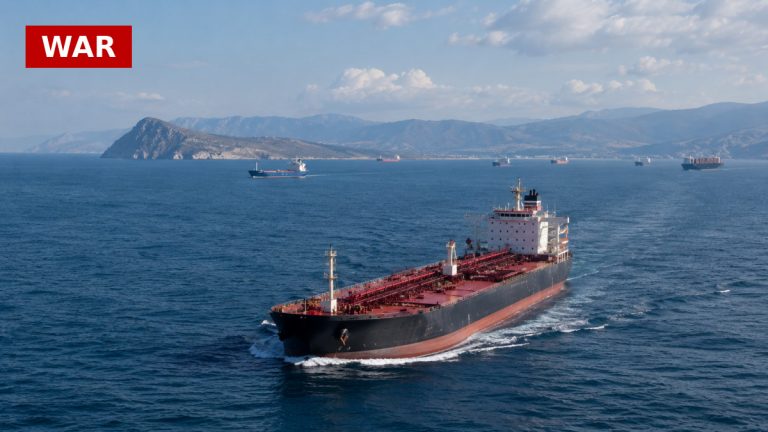
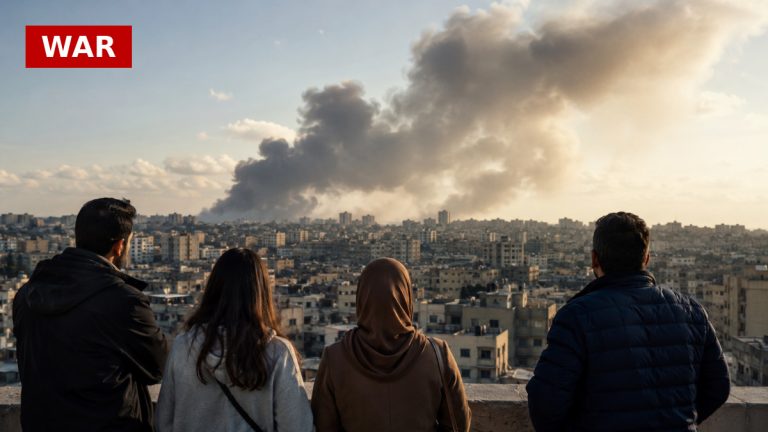
Tensions are rising as conflicting statements emerge regarding a potential deal to end the US-Israeli war with Iran. President Trump announced on social media that a signing is imminent, claiming it would open the crucial Strait of Hormuz. However, Iranian officials have denied this timeline, suggesting that negotiations are ongoing and no immediate signing is planned.
This discrepancy highlights the fragile nature of diplomatic relations between the US and Iran. While both sides indicate progress, the lack of clarity on terms and timelines raises concerns about the stability of any agreement. The situation is further complicated by deep-seated distrust, which has historically hindered negotiations.
The implications of this deal extend beyond immediate military concerns. If successful, it could reshape regional dynamics and influence global oil markets, particularly through the Strait of Hormuz, a vital shipping route. Furthermore, the agreement’s potential to address Iran’s nuclear ambitions could have lasting effects on international relations and security.
As the situation unfolds, the public and analysts alike will be watching closely for any signs of a breakthrough or further escalation. The contrasting narratives from both nations underscore the complexities involved in reaching a lasting peace, with significant consequences for both regional stability and international diplomacy.
Source: Al Jazeera