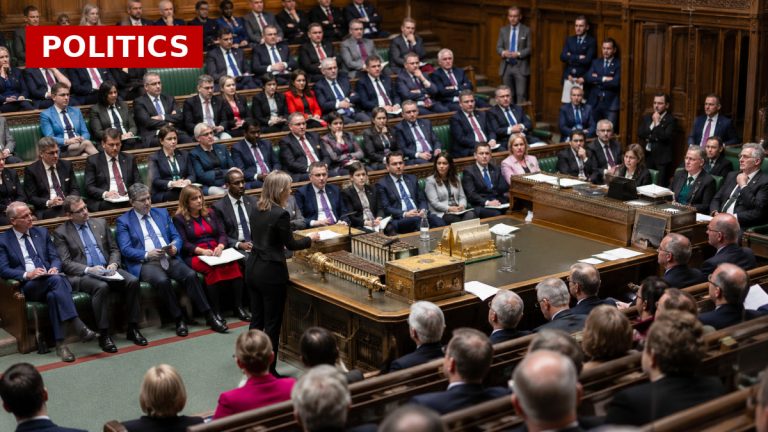
As Andy Burnham’s prospects for becoming Prime Minister grow, his approach to Scotland is under scrutiny. His upcoming speech is expected to clarify his vision for devolution and economic policy, which could reshape the relationship between Westminster and Holyrood. While the Scottish government continues to push for a second independence referendum, Burnham’s stance remains ambiguous, particularly regarding the contentious Barnett Formula that dictates Scotland’s funding from Westminster.
Burnham’s previous comments suggest he may advocate for a more localised devolution model, potentially bypassing Holyrood in favour of regional governance. This could lead to significant changes in how welfare and job services are managed across Scotland, allowing for tailored solutions that address local needs. However, his past criticisms of the Barnett Formula have raised concerns about funding equity, despite assurances from his team that Scotland will remain a priority under his leadership.
The Scottish Labour Party sees Burnham as a more effective communicator than his predecessor, Sir Keir Starmer, which could improve Labour’s standing in Scotland. Yet, the fundamental economic challenges he faces are likely to mirror those of Starmer, limiting his ability to enact sweeping reforms. As he focuses on retaining his position as Mayor of Greater Manchester, his immediate engagement with Scottish MPs will be crucial in establishing his credibility and vision for Scotland.
In the backdrop of a potential Burnham premiership, the SNP has dismissed him as merely continuing the status quo. However, there is a recognition among some Scottish insiders that his communication style may resonate better with voters. The coming weeks will be pivotal as Burnham outlines his plans and seeks to bridge the gap between Scotland and Westminster, potentially altering the political landscape in the process.
Source: BBC News