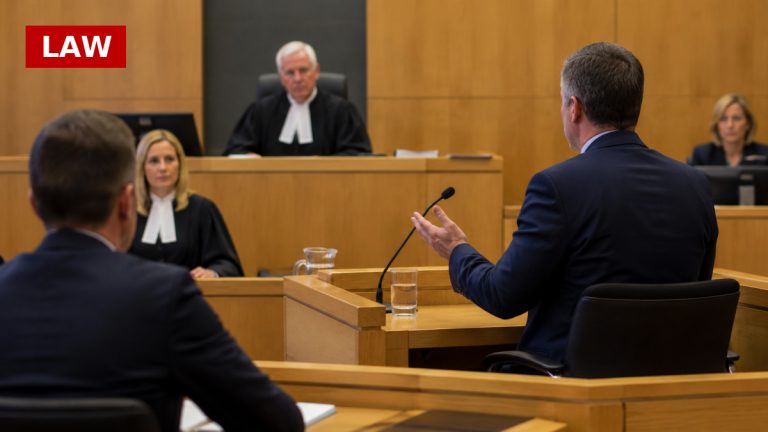
The six-month barrister strike in Northern Ireland has left nearly 2,500 cases in limbo, significantly impacting victims awaiting justice. With no legal aid representation available, many victims faced repeated postponements, exacerbating their trauma and anxiety. Victim Support NI highlighted that the delays forced individuals to relive their distressing experiences, leading to heightened emotional strain and disruption in their daily lives.
As barristers return to work following a fee agreement, the focus shifts to addressing the backlog of cases. Justice Minister Naomi Long has committed to prioritising vulnerable victims in recovery plans, but the long-term effects of the strike on the justice system remain a concern. The Criminal Bar Association acknowledged the need for urgent action to restore public confidence in legal proceedings.
The strike was primarily driven by stagnant legal aid fees, which had not increased in two decades. This situation raises questions about the sustainability of legal aid funding and its implications for access to justice in the future. As the system attempts to recover, the emotional toll on victims underscores the urgent need for reforms.
Moving forward, the legal community must work collaboratively to ensure that cases are expedited and that victims receive the support they need. The recent developments serve as a reminder of the vulnerabilities within the justice system and the critical importance of timely legal representation for those affected by crime.
Source: BBC News