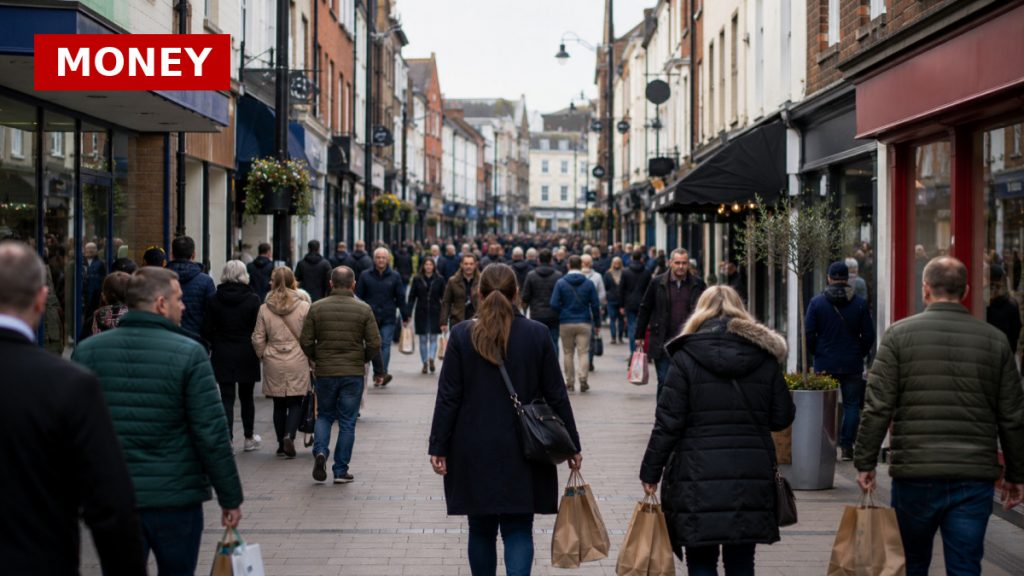
The Labour Government is facing criticism over rising business rates, which are expected to disproportionately affect various sectors, including retail and hospitality. Shadow Chancellor Sir Mel Stride has accused Chancellor Rachel Reeves of betraying business owners by not delivering on promises to ease the burden on smaller High Street businesses while targeting online warehouses.
The mechanism behind this issue lies in the structure of the business rates system. While the government aimed to impose higher rates on large online retailers, only 11% of the businesses impacted by the surcharge fall into this category. The majority are traditional retailers, hotels, and other service providers, leading to increased operational costs across the board.
For UK residents, this situation means that as business rates rise, companies may pass on these costs to consumers through higher prices. Additionally, the anticipated increase in income tax receipts, projected to reach £430 billion by 2030-31, suggests that many individuals will be pushed into higher tax brackets, further straining household finances.
Moving forward, observers should watch for how these business rates adjustments will influence retail prices and employment levels. The ongoing pressure on High Street businesses could lead to closures, which would exacerbate the economic challenges faced by local communities and potentially result in further tax increases to compensate for lost revenue.
Sources
gbnews.com