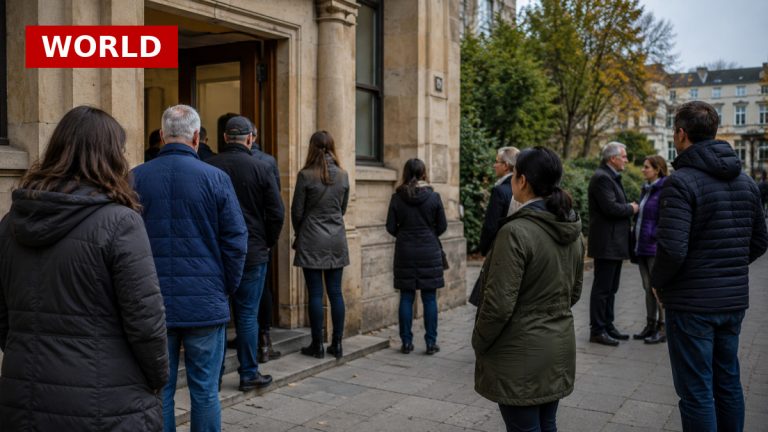
Polls have opened in New Caledonia for the first provincial elections since 2019, a significant event that could reshape the territory’s political landscape. With about 192,000 voters eligible to elect 76 councillors across three provinces, the outcome will influence upcoming negotiations with France regarding the territory’s status. The elections come after a pro-independence group rejected a proposed accord that would have limited future referendums on independence, highlighting the ongoing divide over the territory’s future.
The recent changes to the electoral roll, which now includes over 10,000 previously excluded residents, particularly from the indigenous Kanak population, could shift the balance of power. This inclusion is crucial as it reflects the aspirations of a community that has historically sought greater autonomy. The elections are being closely monitored, especially following the violent unrest in 2024, which underscores the tensions surrounding this vote.
France has deployed 2,400 law enforcement officers to maintain order during the elections, indicating the high stakes involved. The French government aims to resume negotiations on New Caledonia’s future next month, with a target to reach an agreement by the end of the year. The results of this election will play a pivotal role in shaping those discussions and determining the territory’s path forward.
As the world watches, the implications of this election extend beyond local governance; they could redefine New Caledonia’s relationship with France and its quest for independence. The outcome may also influence similar movements in other territories, making this election a critical moment in the broader context of self-determination and colonial legacies.
Source: The Guardian