The recent agreement between the US and Iran, while celebrated as a diplomatic breakthrough, is essentially a temporary ceasefire extension. This 60-day pause does not resolve the underlying tensions but merely postpones them, allowing both sides to regroup and reassess their strategies.
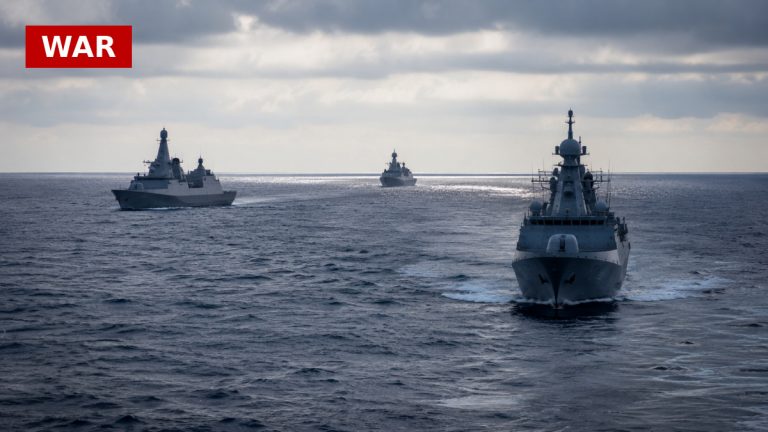
The reopening of the Strait of Hormuz is crucial, as it facilitates the passage of over 20% of the world’s oil supply. Iran’s ability to control this vital waterway gives it significant leverage, allowing it to disrupt not only oil shipments but also other essential goods, potentially leading to global economic instability.
Moreover, the Iranian regime has emerged from the conflict emboldened, having withstood intense military pressure. This resilience may lead to more aggressive posturing in future negotiations, particularly regarding its nuclear program and maritime control.
As the world watches, the implications of this ceasefire extend beyond immediate military concerns, affecting global energy prices and international relations. The next few months will be critical in determining whether this fragile peace can lead to a more lasting resolution or if tensions will escalate once again.
Source: The Guardian