Abelardo de la Espriella’s narrow victory in Colombia’s presidential election signals a significant rightward shift in the country’s politics. Backed by the US, his win is expected to alter the trajectory set by outgoing president Gustavo Petro, particularly in security policies. De la Espriella has pledged a crackdown on drug-related violence, which could lead to increased military engagement in rural areas.
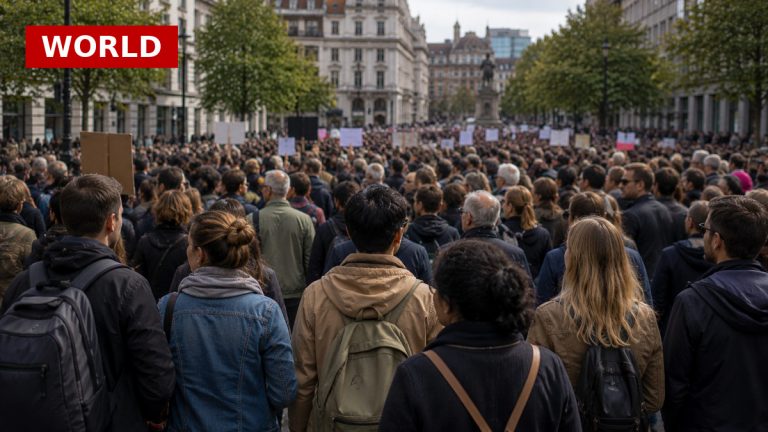
The election results have sparked widespread protests, highlighting a deeply divided nation. Supporters of left-wing candidate Iván Cepeda have expressed fears that de la Espriella’s administration may exacerbate violence and undermine social progress. The protests, marked by clashes with police, reflect a broader discontent with the electoral outcome and the potential for increased repression.
This political shift may also reshape Colombia’s relationship with the United States, with expectations for enhanced cooperation on security and immigration issues. US officials have welcomed the change, suggesting it could lead to stronger economic ties and a more aggressive stance against drug trafficking.
As Colombia navigates this new political landscape, the implications for everyday life, security, and international relations will unfold. Citizens will need to adapt to the changing policies that may affect their safety, economic opportunities, and social freedoms.
Source: Euronews