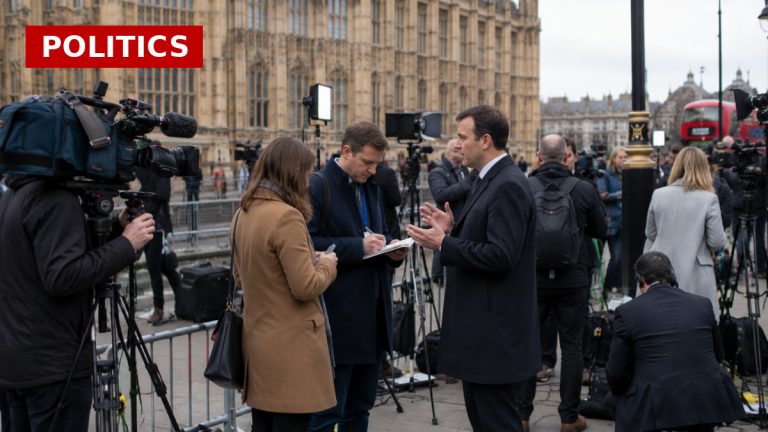
As the UK marks ten years since Brexit, the new Prime Minister faces significant choices regarding the country’s relationship with the European Union. The EU has become more cohesive in this period, yet internal pressures are mounting, complicating negotiations with the UK. The Labour government, under Sir Keir Starmer, aimed to reduce post-Brexit red tape and improve the economy, but political instability in the UK raises questions about the feasibility of these plans.
The EU’s response to the UK’s evolving political landscape will be critical. With a history of multiple UK negotiators during Brexit talks, the EU is prepared to engage with whoever leads the UK next. However, the challenge remains: how to balance the UK’s desire for closer ties without compromising EU principles, particularly regarding the single market and immigration.
The geopolitical climate has shifted dramatically, with threats from Russia and China influencing European unity. This context may encourage the EU to consider a more collaborative approach with the UK, especially in defense and economic matters. Yet, the EU’s reluctance to offer special deals complicates the UK’s position, as it seeks to navigate these turbulent waters.
Ultimately, the new Prime Minister’s decisions will not only impact the UK’s economy but also its standing in a rapidly changing Europe. The stakes are high, and the implications of these choices will resonate for years to come.
Source: BBC News