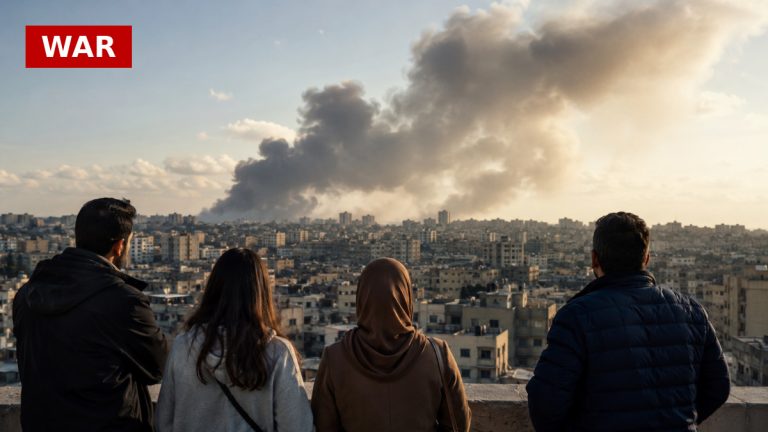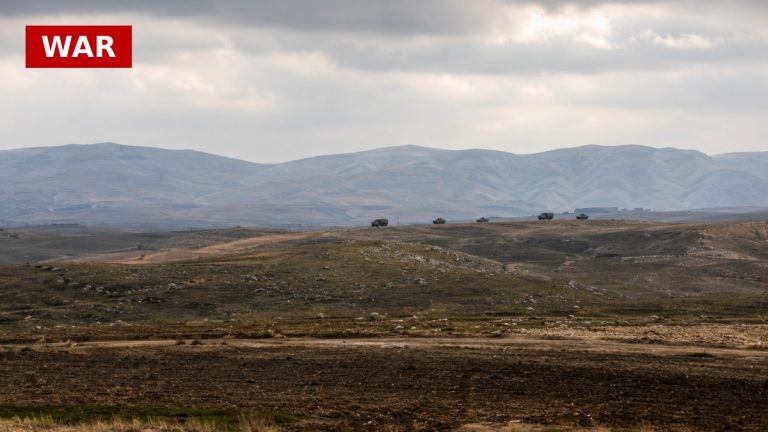
A recent missile strike in Kryvyi Rih, Ukraine, has resulted in three fatalities and numerous injuries, highlighting the ongoing violence as Russia grapples with economic challenges stemming from the prolonged conflict. The use of cluster munitions in this attack has drawn international condemnation, with Ukrainian President Zelenskyy urging for increased global pressure on Russia and expedited air defense support.
As Ukraine intensifies its counterattacks, targeting critical infrastructure in Russian-occupied territories, the repercussions are being felt within Russia itself. Reports indicate that Ukrainian drone strikes have led to significant fuel shortages across several Russian regions, causing rising prices and restrictions on fuel sales. This situation raises concerns about the stability of the Russian economy, which is already under strain from the ongoing war.
The Moscow Exchange has seen fluctuations, with a notable drop in stock values, reflecting investor anxiety over the economic impact of the conflict. Despite government assurances of economic stability, the weakening rouble and rising domestic prices suggest that the war’s financial toll is becoming increasingly unsustainable for Russia.
The conflict’s escalation underscores the urgent need for diplomatic resolutions, yet efforts remain stalled as international focus shifts. The situation in Ukraine serves as a stark reminder of the interconnectedness of military actions and economic consequences, affecting not just the warring nations but also global markets and security dynamics.
Source: Al Jazeera