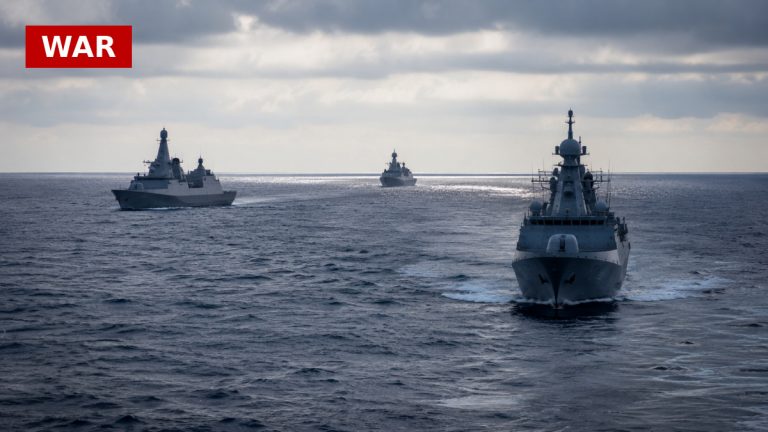
Recent exchanges of fire between Iran and the United States have raised serious concerns about the stability of a fragile ceasefire established earlier this month. The Islamic Revolutionary Guard Corps (IRGC) claimed responsibility for attacks on US sites in the Gulf, framing them as retaliation for US strikes on Iranian military assets. This tit-for-tat escalation threatens not only the ceasefire but also the broader geopolitical landscape in the region, particularly concerning vital shipping routes through the Strait of Hormuz.
The implications of this conflict extend beyond immediate military actions. The ceasefire, which was intended to facilitate negotiations over maritime traffic and security, is now in jeopardy. Each side accuses the other of violating the terms, complicating future diplomatic efforts. The situation is further exacerbated by regional allies, such as Bahrain, condemning Iranian actions, which could lead to a wider conflict involving multiple nations.
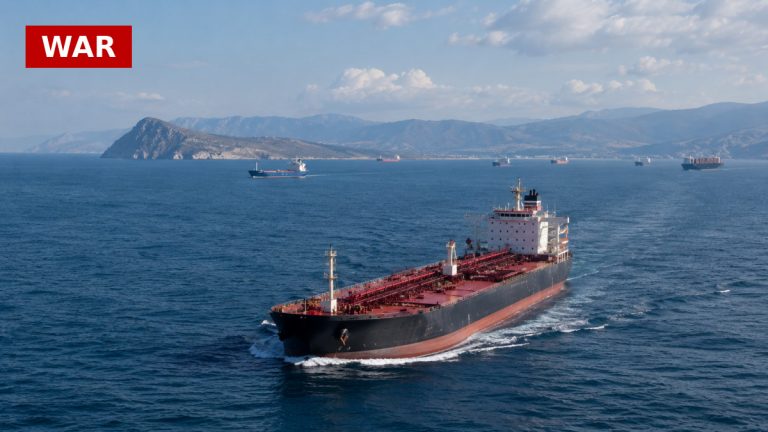
Despite the rising tensions, oil prices have surprisingly fallen, reflecting market optimism that shipping through the Strait will remain uninterrupted. However, the recent attack on a commercial vessel has reignited fears of disruption in this critical waterway, which is essential for global trade. The ongoing conflict could have significant ramifications for energy markets and international shipping routes.
As the situation develops, the potential for a broader military confrontation looms large. The United Nations has emphasized the need for strong safeguards to prevent Iran from advancing its nuclear programme, which remains a contentious issue in US-Iran relations. The outcome of these tensions could reshape not only regional dynamics but also global economic stability.
Source: Al Jazeera