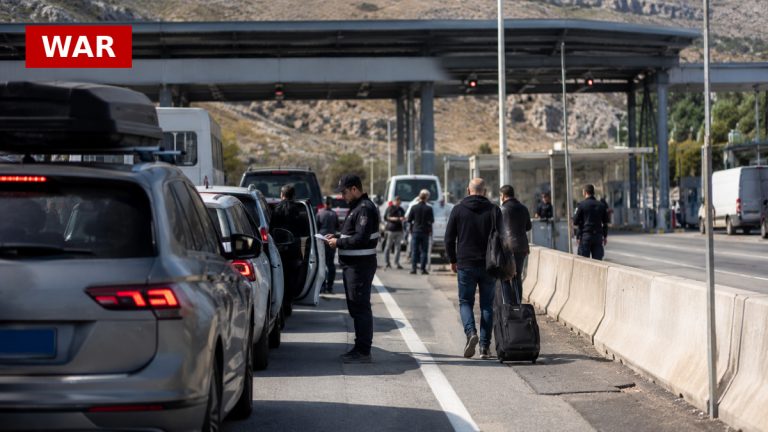
Israel has resumed air strikes on southern Lebanon just days after a US-brokered peace agreement was signed, raising serious questions about the deal’s viability. The strikes, which targeted Hezbollah positions, have already resulted in casualties, including the first reported death since the agreement was reached. This rapid escalation highlights the fragility of the ceasefire and the deep divisions within both Israeli and Lebanese factions regarding the terms of the deal.
The agreement, while touted by Israeli Prime Minister Benjamin Netanyahu as a historic achievement, has been met with fierce opposition from Hezbollah, which views it as a surrender of sovereignty. The group’s leaders have vowed to continue their resistance, suggesting that any enforcement of the agreement by the Lebanese army could lead to internal conflict. This situation poses a significant risk of renewed violence, undermining the fragile peace that was just established.
Moreover, the Israeli military’s continued operations in the region signal a potential long-term presence, contingent on Hezbollah’s disarmament. This could lead to a prolonged military engagement, affecting not only regional stability but also international relations, particularly with Iran, which supports Hezbollah.
As both sides claim victory in the agreement, the reality on the ground remains tense. The implications of these strikes extend beyond immediate military concerns, potentially reshaping the geopolitical landscape in the Middle East and affecting international diplomatic efforts aimed at stabilizing the region.
Source: Al Jazeera