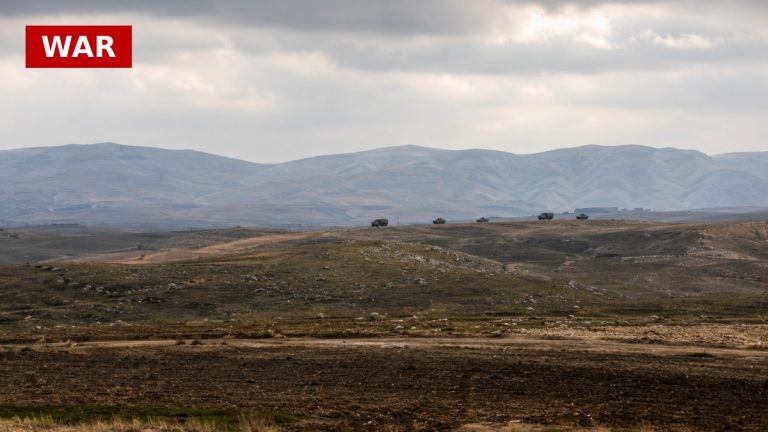
Pakistan has intensified its military operations along the Afghan border, claiming to have killed 29 militants in a recent ground operation. This escalation follows a series of retaliatory strikes between the two nations, which have resulted in hundreds of casualties since February. The Pakistani government attributes the surge in violence to the Tehrik-e-Taliban Pakistan (TTP), a group it accuses Afghanistan’s Taliban government of sheltering.
The implications of these military actions extend beyond immediate casualties. The ongoing conflict threatens to destabilise regional security and complicate international diplomatic efforts aimed at fostering peace. With both countries engaging in tit-for-tat strikes, the potential for a broader conflict looms, impacting not only military personnel but also civilians caught in the crossfire.
Moreover, this situation could affect the UK’s foreign policy and security considerations, particularly in relation to counter-terrorism efforts. As Pakistan and Afghanistan grapple with their internal security challenges, the UK may need to reassess its strategies in the region, especially concerning aid and diplomatic relations.
As the situation develops, the international community’s role becomes increasingly critical. Previous peace talks have faltered, and without a concerted effort to mediate, the cycle of violence may continue, leading to further humanitarian crises and geopolitical instability in South Asia.
Source: PBS News